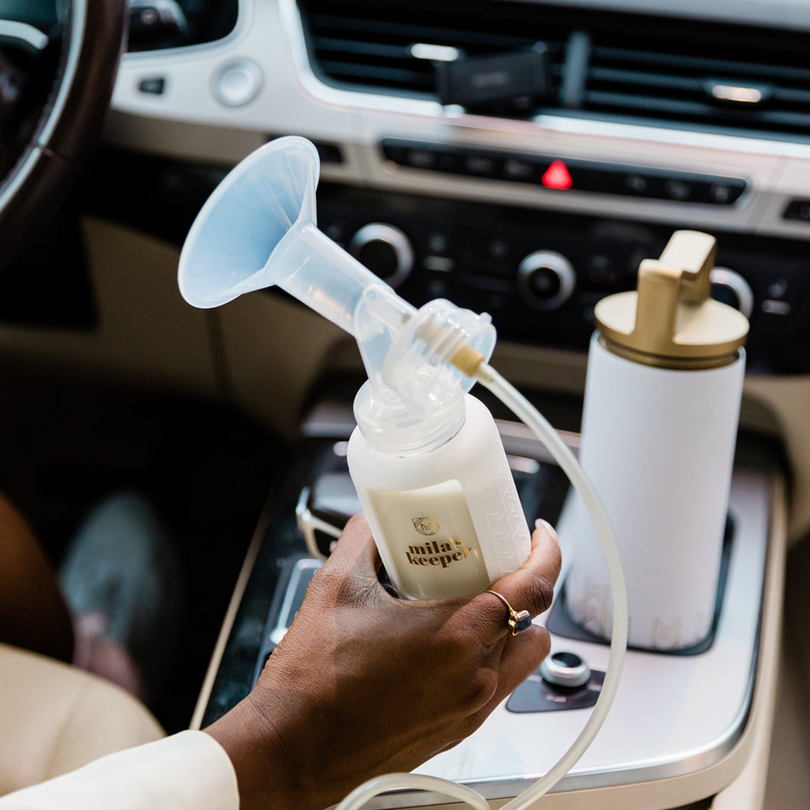




If you’re pumping multiple times a day, keeping up with washing and sanitizing can feel like another full-time job. It’s understandable to look for a routine that makes pumping at work, at home, or on the go more manageable.
Some parents refrigerate used pump parts between sessions to save time, often called the “fridge hack.” Refrigeration does not clean or sanitize pump parts, and it should not be presented as equivalent to washing them after each use. Follow your pump manufacturer’s cleaning instructions and current public-health guidance. If cleaning immediately is difficult, consider bringing an extra set of clean pump parts.
This guide explains the distinction between refrigeration, cleaning, and sanitizing, along with practical ways to organize your pumping supplies. For public-health instructions, consult the CDC’s breast pump hygiene guidance and your pump manufacturer’s instructions.
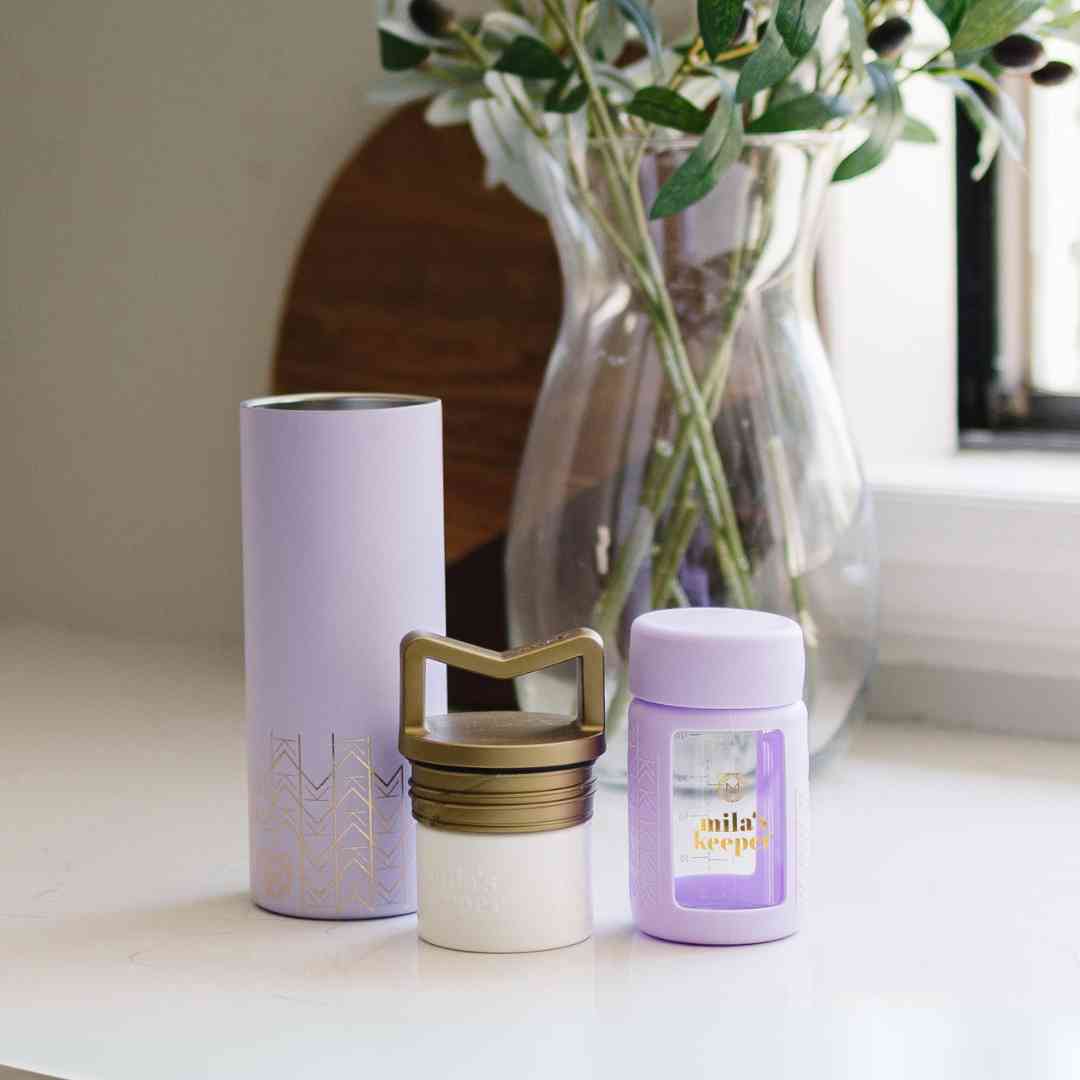
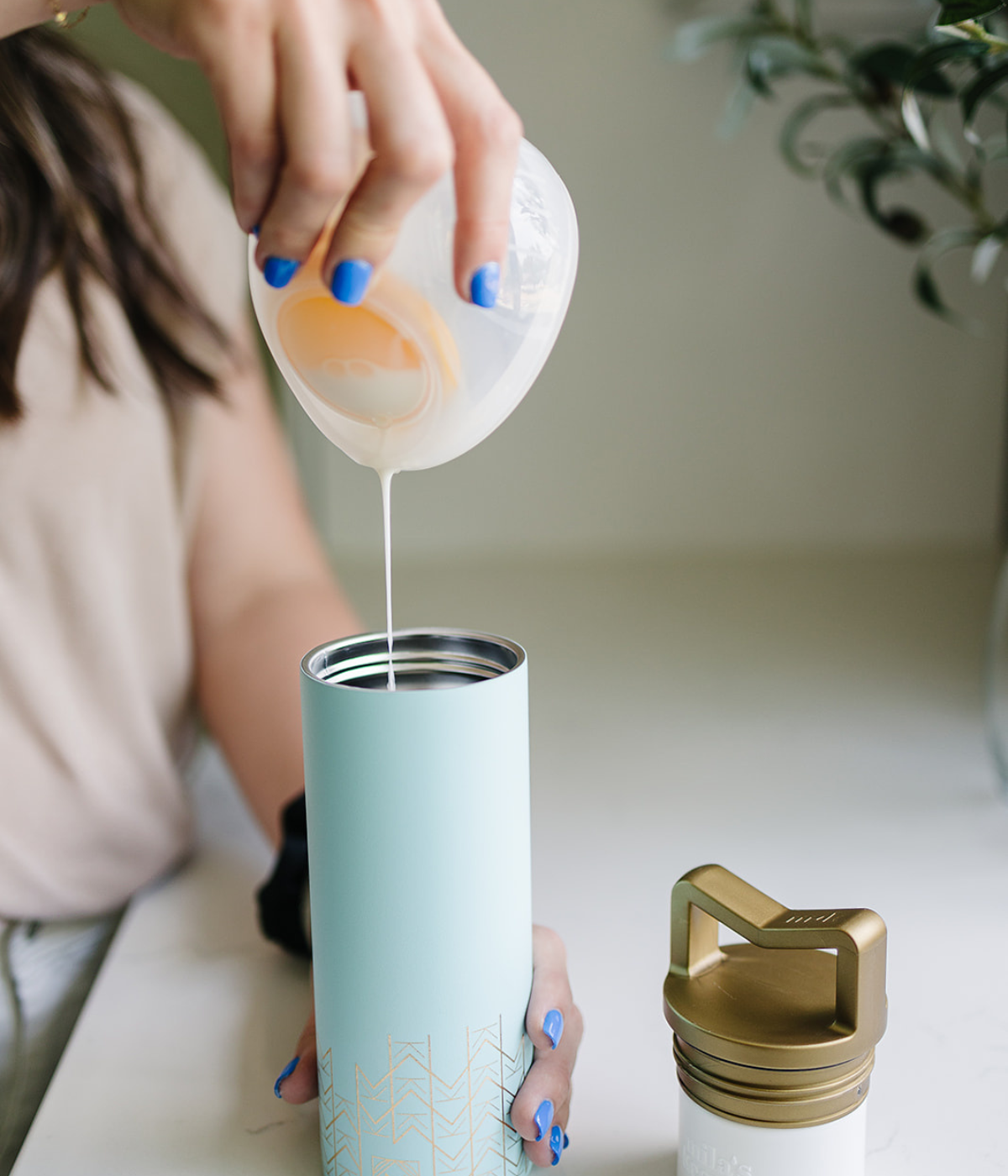
Pumping at work or away from home? Alongside your pump-cleaning routine, plan how you’ll store the milk you express. Explore the MilKeeper breast milk cooler for your on-the-go milk-storage setup. Milk storage and pump-part hygiene are separate tasks: a cooler does not clean or sanitize pump parts.
Why Do Some Parents Store Breast Pump Parts in the Fridge?
If you’re exclusively pumping, returning to work, or building a freezer stash, washing supplies between sessions can be challenging. Some parents use refrigeration as a time-saving workaround. That practical appeal should not be confused with proof that refrigerated used parts are clean or ready to reuse.
Rather than treating the fridge hack as a guaranteed-safe shortcut, plan your routine around cleaning instructions. Having spare pump parts and a suitable place to clean them can make the day easier without relying on refrigeration as a substitute.
Before You Consider Refrigerating Used Pump Parts
Review the CDC’s current breast pump hygiene guidance alongside the instructions for your specific pump. This article does not establish a safe interval for reusing refrigerated, unwashed parts.
A quick rinse is not the same as a full cleaning, and cold storage is not sanitizing. Do not assume that rinsing and refrigerating means washing can wait until the end of the day.
If your workplace makes cleaning difficult, consider bringing additional clean parts and keeping used parts separate until you can clean them. Ask your baby’s healthcare professional for individualized advice if you are unsure what routine is appropriate, especially if your baby was born prematurely or has health concerns.

Cleaning, Sanitizing, and Drying Are Different Steps
Cleaning
Cleaning removes milk residue and other soil. Follow your pump manufacturer’s instructions for taking parts apart, cleaning milk-contact components, rinsing, and drying. A rinse alone should not be described as a replacement for that process.
Sanitizing
Sanitizing is a separate step from cleaning. Follow current public-health guidance and your manufacturer’s instructions to determine the appropriate method and frequency for your situation. Not every component can tolerate every cleaning or sanitizing method.
Drying
Do not treat “skip drying” as a general shortcut. Follow the drying and storage instructions for your pump components. Shaking off water is not a substitute for completing the recommended drying process.
For detailed instructions, refer directly to the CDC’s breast pump hygiene resource. Check your manufacturer’s instructions before using a dishwasher, boiling water, steam equipment, or cleaning wipes. Avoid assuming a wipe replaces the full cleaning process.
How Long Can You Store Used Pump Parts in the Fridge?
This article does not recommend a blanket “few hours” or “24-hour” limit for safely reusing unwashed pump parts. A specific time limit can imply a safety guarantee that this guide cannot establish.
Refrigeration does not make used pump parts clean. Consult current public-health guidance and your pump manufacturer rather than using a timer, the absence of an odor, or the appearance of the parts as permission to skip cleaning.
Alternatives That Make Cleaning More Manageable
Plan ahead for the practical obstacles that make the fridge hack appealing. Consider bringing a second set of clean pump parts, scheduling time for cleaning, and checking what facilities are available at work or while traveling.
Choose cleaning and sanitizing methods that are compatible with your specific pump. Do not assume that all parts are dishwasher-safe or that one boiling time or steam cycle applies to every component. Follow the instructions supplied with your equipment.
If your baby has additional health needs, ask their healthcare professional about the cleaning and sanitizing routine you should use.

Organizing Pump Parts and Milk Storage
Keep clean supplies separate from used parts, and follow your pump manufacturer’s storage instructions. Choose containers intended for their purpose, sized to fit your equipment, and compatible with the required cleaning process. A closed container does not sanitize its contents.
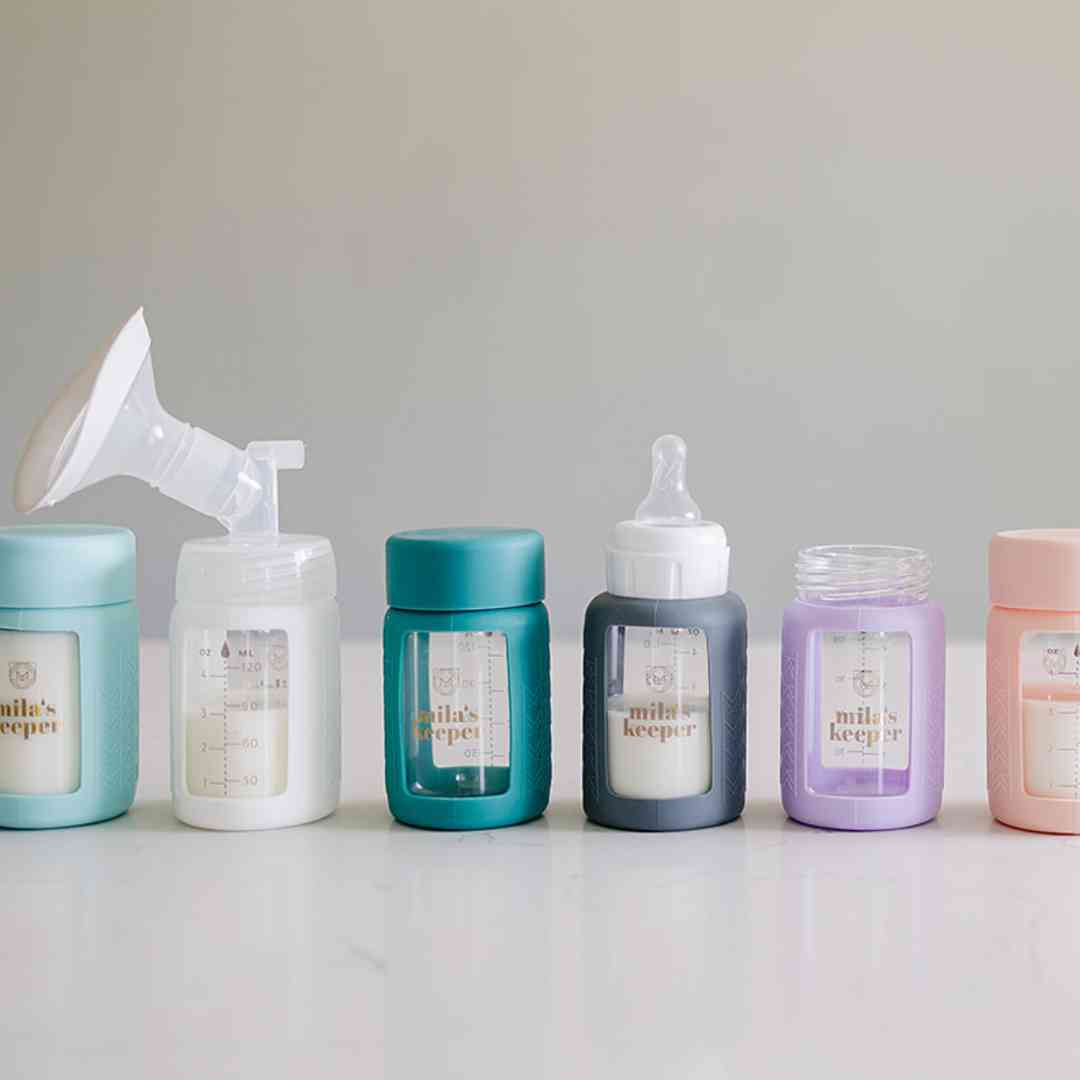
Breast milk bottles serve a different purpose: storing the milk you express. Explore glass breast milk storage bottles or silicone breast milk storage bottles for your milk-storage routine, not as a substitute for appropriate pump-part cleaning or storage equipment.
Managing Multiple Pump Sessions Throughout the Day
A workable routine can reduce stress without promising shortcuts are risk-free. Pack enough clean supplies for your planned sessions, identify where you can clean your equipment, and keep used parts separate from supplies that are ready to use.
Labels can help keep your supplies organized in shared spaces. If your schedule changes, follow the cleaning instructions rather than assuming that refrigerated parts can be reused until the end of the day.
For the milk you express while away from home, explore the MilKeeper breast milk cooler. Plan milk storage separately from pump-part hygiene, and follow milk-storage guidance and the cooler’s instructions.

Troubleshooting Pump-Part Storage Issues
If you notice odors, visible residue, trapped moisture, mold, or damage, do not assume refrigeration has made the parts suitable for reuse. Consult the manufacturer’s instructions for cleaning, drying, inspection, and replacement.
The absence of these signs is not a substitute for the recommended cleaning routine. Avoid relying on the container material, such as glass or silicone, as a guarantee against contamination.
Conclusion: Make the Routine Easier Without Equating Cold Storage with Cleaning
Pumping takes time and effort, and you deserve a routine that works for your day. The important distinction is that refrigeration does not clean or sanitize used pump parts. Follow your pump manufacturer’s instructions and current public-health guidance rather than treating the fridge hack as equivalent to washing after each use.
Extra clean parts, organized supplies, and a plan for cleaning can help make busy days more manageable. For individualized questions about your baby’s needs, speak with their healthcare professional.
You’ve got this, mama!
Plan Your Expressed-Milk Storage, Too
Once you’ve planned your pump-cleaning routine, give the milk you express its own storage setup. Explore the MilKeeper breast milk cooler for outings and workdays, or choose glass breast milk storage bottles or silicone breast milk storage bottles for your milk-storage routine. These products are for storing expressed milk, not for cleaning or sanitizing pump parts. Follow milk-storage guidance and your pump manufacturer’s cleaning instructions separately.
Hygiene reference: Centers for Disease Control and Prevention: breast pump hygiene guidance. Consult this resource directly for current instructions, together with the guidance supplied by your pump manufacturer. This article is general information, not individualized medical advice.
Keep Reading related blog: Creating the Ideal Pumping Schedule: A Guide for New Moms
--
A female-designed and female-run company, Mila's Keeper is on a mission to empower women to thrive during their breastfeeding journey by offering reusable, eco-friendly breast milk storage solutions for their day-to-day needs. Get the latest tips and info on Mila's Keeper products by following us on Facebook, Twitter, Instagram, Pinterest, and LinkedIn.