



Traveling for work can be one of the most stressful and logistically challenging parts of pumping breast milk. Unlike a normal workday, travel adds unpredictability, unfamiliar environments, tight schedules, and limited private space, making it uniquely hard for pumping parents to sustain their milk supply while fulfilling professional obligations.
While many employers now provide break time and lactation spaces at the office, travel remains a major gap in workplace support. Without clear policies and infrastructure, pumping employees are often left to fend for themselves, negotiating accommodations with airport security, hunting down lactation rooms, and trying to store milk safely on their own.
This article explains:
-
Why lactation-friendly travel policies matter
-
What federal laws like the PUMP Act require
-
How the new BABES Enhancement Act improves air travel screening
Practical steps employers can take to support pumping employees on the road

Why Travel Is Hard for Pumping Parents
Pumping on a regular workday already requires planning: scheduling sessions, finding privacy, handling equipment, and storing milk. But travel amplifies these challenges:
-
Flight delays and security checkpoints disrupt regular pumping intervals
-
Airports and event venues may lack private or hygienic spaces
-
Limited access to refrigeration or reliable storage
-
Packing, carrying, and protecting pumping equipment and milk adds stress
For someone who pumps every 2–4 hours, missed sessions are more than inconvenient. They can lead to reduced supply, discomfort, and medical issues like clogged ducts or mastitis.
The cumulative effect: Many pumping employees avoid travel assignments or shorten their pumping journeys because of inadequate support.
The Legal Framework: What Employers Must Know
Federal Protections Under the PUMP Act
The Providing Urgent Maternal Protections (PUMP) for Nursing Mothers Act expanded existing breastfeeding workplace protections by clarifying and extending rights under the Fair Labor Standards Act (FLSA). Under this law:
-
Most employees covered by the FLSA are entitled to reasonable break time and a private, non-bathroom space to express breast milk during the workday for up to one year after a child’s birth.
-
The space must be functional for pumping, shielded from view, and free from intrusion.
-
Reasonable break time must be provided as frequently as needed and cannot be denied because of rigid scheduling.
The PUMP Act broadened coverage to include many previously excluded workers (like educational and frontline workers) and allows employees to seek remedies if employers fail to comply.
However, the law was designed with fixed worksites in mind and doesn’t explicitly address travel situations, meaning that without written policies, employees and managers are forced to improvise on the fly.

New Travel Protection: The BABES Enhancement Act
In late 2025, Congress passed the Bottles and Breastfeeding Equipment Screening (BABES) Enhancement Act, which was signed into law and took effect to support pumping and feeding parents in travel settings.
This law directs the Transportation Security Administration (TSA) to:
-
Develop clear, updated guidance for screening breast milk, baby formula, and pumping equipment at airport security
-
Ensure TSA officers receive regular training on these procedures
-
Consult maternal health experts when updating guidelines
-
Update guidance at least every five years to reflect changing needs and technology
The BABES Enhancement Act aims to reduce unnecessary delays, confusion, and risk of contamination when traveling with milk, ice packs, and feeding supplies.
Taken together, the PUMP Act and BABES Act signal a growing recognition at the federal level that lactation support must extend beyond fixed worksites and into real-world movement and travel.
Why “Figure it Out” Is Not a Policy
Many organizations approach pumping travel support informally, with managers telling employees to “do their best” or to expense whatever they need. This creates several problems:
-
Employees don’t know what’s reimbursable
-
Managers enforce rules inconsistently
-
Support becomes reliant on individual advocacy
-
Employees may self-limit travel opportunities due to stress
Informal solutions benefit confident self-advocates but leave many employees unsupported, especially those newer to pumping or in lower status roles.
A formal travel policy removes ambiguity and ensures equitable access to pumping accommodations, regardless of rank, department, or seniority.
Elements of a Lactation-Friendly Travel Policy

A solid travel policy doesn’t have to be complex—just clear, proactive, and fair.
1. Break Time During Travel
A policy should explicitly state:
-
Pumping breaks are allowed and supported on travel days
-
Employees should not feel pressured to “make up” this time later
-
Managers should include pumping time in travel itineraries
This normalizes pumping as part of the workday, no matter where the employee is.
2. Space Expectations
While employers can’t control every space, they can set expectations for:
-
Using hotel rooms or private lounge areas for pumping
-
Allowing time away from meetings for pumping
-
Empowering employees to access airport lactation rooms or other safe spaces
Clear language reduces anxiety and confusion.
3. Milk Storage and Handling Support
Travel policies should clarify:
-
Whether milk storage supplies are reimbursable
-
How long milk can be stored during travel
-
Whether employees may transport milk through security and across state lines
-
What to do in the event of delays or overnight travel
Some employers also provide:
-
Reimbursement for insulated storage or cooling solutions
-
Milk shipping services for longer trips
Even when these options aren’t offered, clarity matters.
4. Expense Reimbursement
Treat pumping-related travel expenses like any other business expense. This might include:
-
Insulated coolers and gel packs
-
TSA baggage fees for pumping equipment
-
Replacement storage supplies if milk is lost or mishandled
Written reimbursement guidelines prevent employees from absorbing these costs out of pocket.
5. Manager Training and Accountability
A policy is only effective if managers understand and enforce it. Employers should ensure:
-
Managers know employees’ rights under PUMP Act and travel supports
-
Performance reviews don’t penalize pumping breaks
-
Teams plan travel time to allow for breaks
This reduces the emotional labor placed on employees to educate their supervisors.
Benefits for Employers

Supporting pumping during travel isn’t just compliance. It’s good for business. Organizations with written lactation policies can:
-
Improve retention of employees returning from parental leave
-
Promote workplace equity and inclusion
-
Reduce burnout and early departure from careers
-
Signal that leadership opportunities are accessible to pumping parents
When companies proactively design travel policies, they reinforce that caregiving responsibilities coexist with professional advancement.
Closing Thoughts
Pumping while traveling doesn’t have to be a source of stress. With clear lactation-friendly travel policies, employers can remove obstacles that often force pumping parents to choose between feeding goals and career opportunities.
By aligning policies with federal laws like the PUMP Act and taking inspiration from travel-focused laws like the BABES Enhancement Act, employers can build systems that support employees before challenges arise, not after.
Frequently Asked Questions
Do employers have to support pumping during work travel?
Yes—federal law (the PUMP Act) requires employers to provide reasonable break time and space for pumping, and BABES Act improvements make travel logistics easier by clarifying how feeding equipment is handled in airports. Written travel policies help ensure these rights are respected even when away from a regular worksite.
Can I get reimbursed for travel pumping supplies?
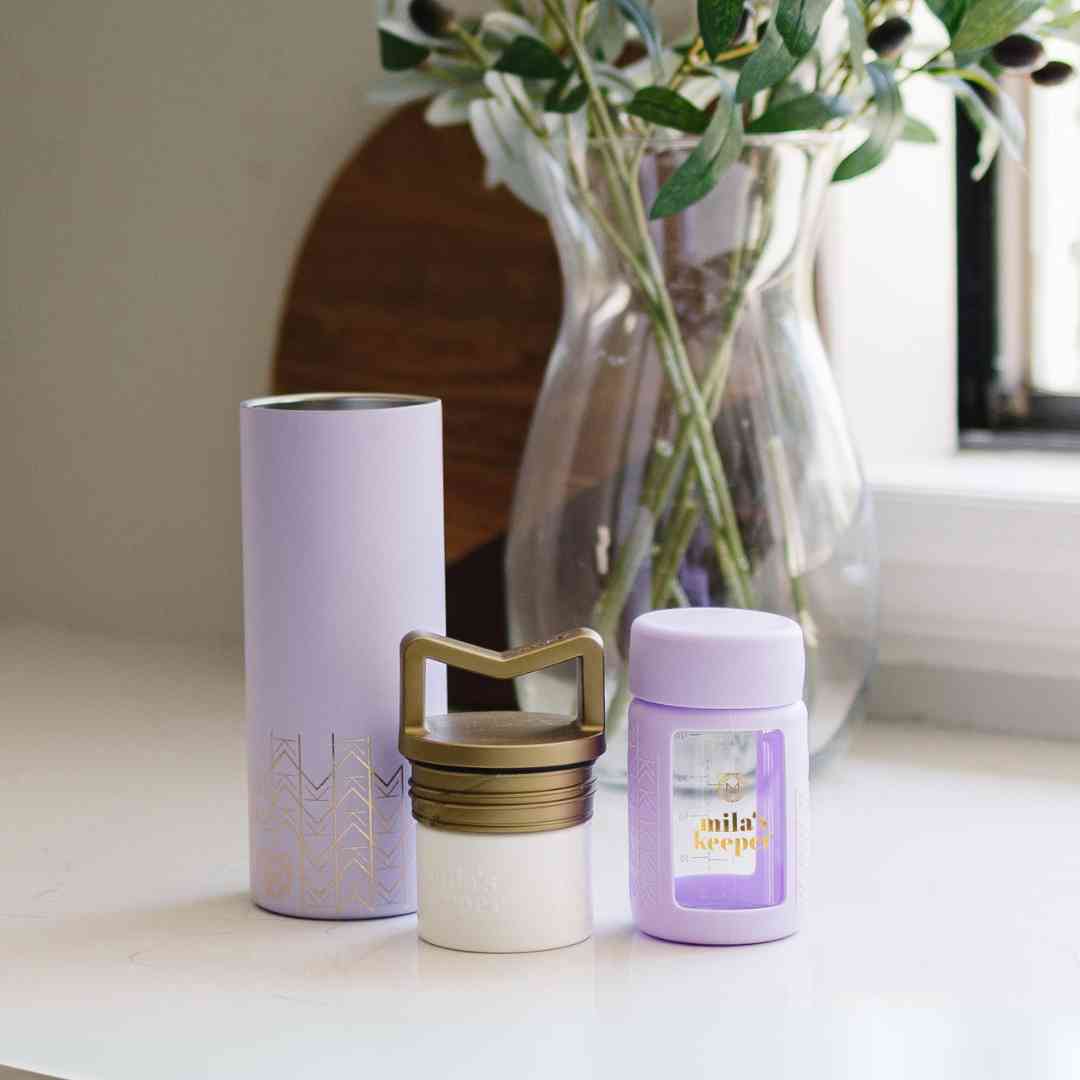
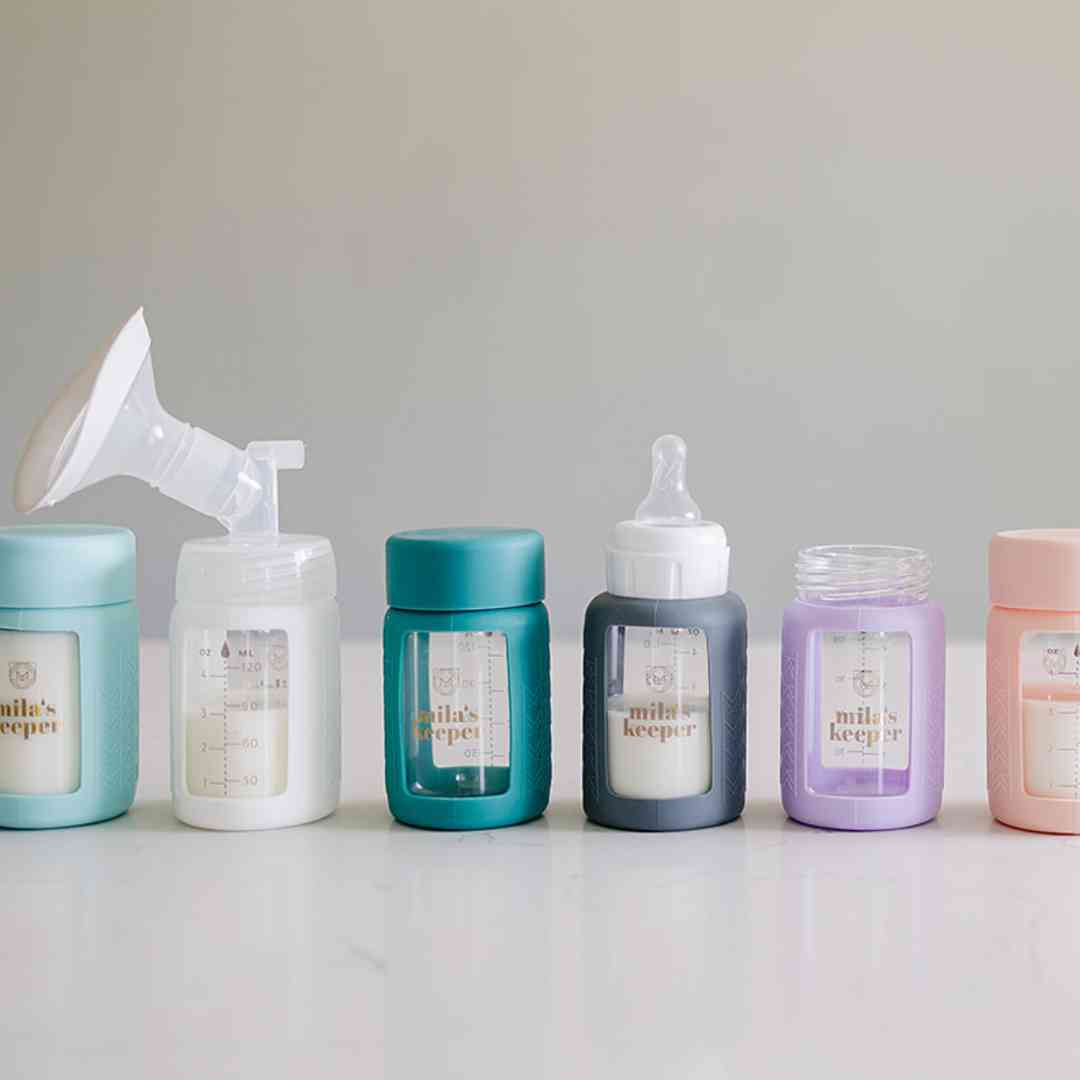
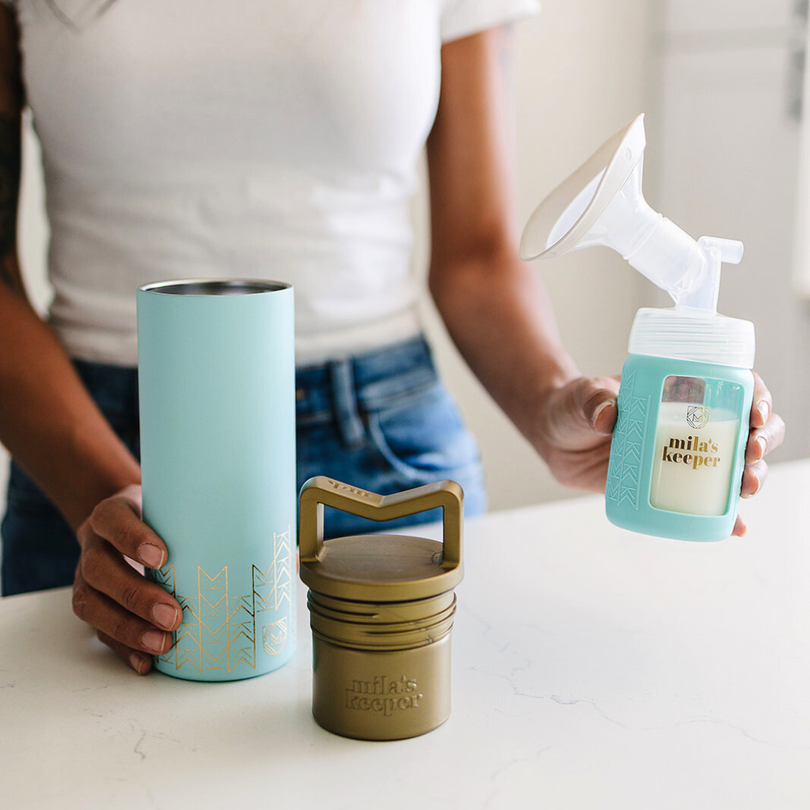
A clear travel policy should treat lactation supplies (such as breast milk coolers and storage equipment like those from Mila’s Keeper) as reimbursable travel expenses, similar to other work-related costs.
What’s the difference between the PUMP Act and the BABES Act?
The PUMP Act ensures workplace pumping breaks and space, while the BABES Enhancement Act focuses on safe, hygienic, and consistent treatment of breast milk and related equipment in airport security and travel contexts.
Helpful Downloads for Employers & HR Teams
Ready-to-Use Policy Templates
Lactation-Friendly Travel Policy: HR Checklist (English Version)
Lactation-Friendly Travel Policy: HR Checklist (Spanish Version)
Travel Policy for Breastfeeding & Pumping Employees (English Version)
Travel Policy for Breastfeeding & Pumping Employees (Spanish Version)
Keep Reading related blog: 5 Steps to Implement the PUMP Act at Your Workplace
--
A female-designed and female-run company, Mila's Keeper is on a mission to empower women to thrive during their breastfeeding journey by offering reusable, eco-friendly breast milk storage solutions for their day-to-day needs. Get the latest tips and info on Mila's Keeper products by following us on Facebook, Twitter, Instagram, Pinterest, and LinkedIn.