



If you’ve ever stood in an airport security line with a pumping bag and a knot in your stomach, you’re not alone.
Traveling while pumping isn’t just about logistics, it’s a constant calculation of time, temperature, and trust.
Will your milk stay safe?
Will TSA stop you?
Will you even have a place to pump?
Most systems weren’t designed for this.
But with the right plan, you can travel confidently and without spending the entire day worrying about your milk.
✈️ Traveling With Breast Milk: TSA Rules (Simplified)

If you’re standing in airport security with a pumping bag and a pit in your stomach, you’re not alone. This is one of the most stressful parts of traveling while breastfeeding but it’s also more straightforward than it feels.
Here’s what actually matters:
-
Breast milk is medically necessary liquid, so it is not limited to 3.4 oz
-
You do not need to be traveling with your baby
-
Ice packs and coolers are allowed
-
You can request alternative screening if you prefer
According to the CDC’s breast milk storage guidelines, proper handling and storage of breast milk is critical to maintaining its safety.
If you want something simple to say at security:
“I’m traveling with breast milk and a pump. These are medically necessary items.”
Most TSA agents see this regularly. The stress is real but you’re allowed to do this.
🧳 What to Pack in Your Pumping Travel Bag

This is where most of the stress comes from not having the right setup.
At a minimum, you’ll want:
Pumping essentials
-
Pump + parts
-
Backup manual pump (just in case)
Storage
-
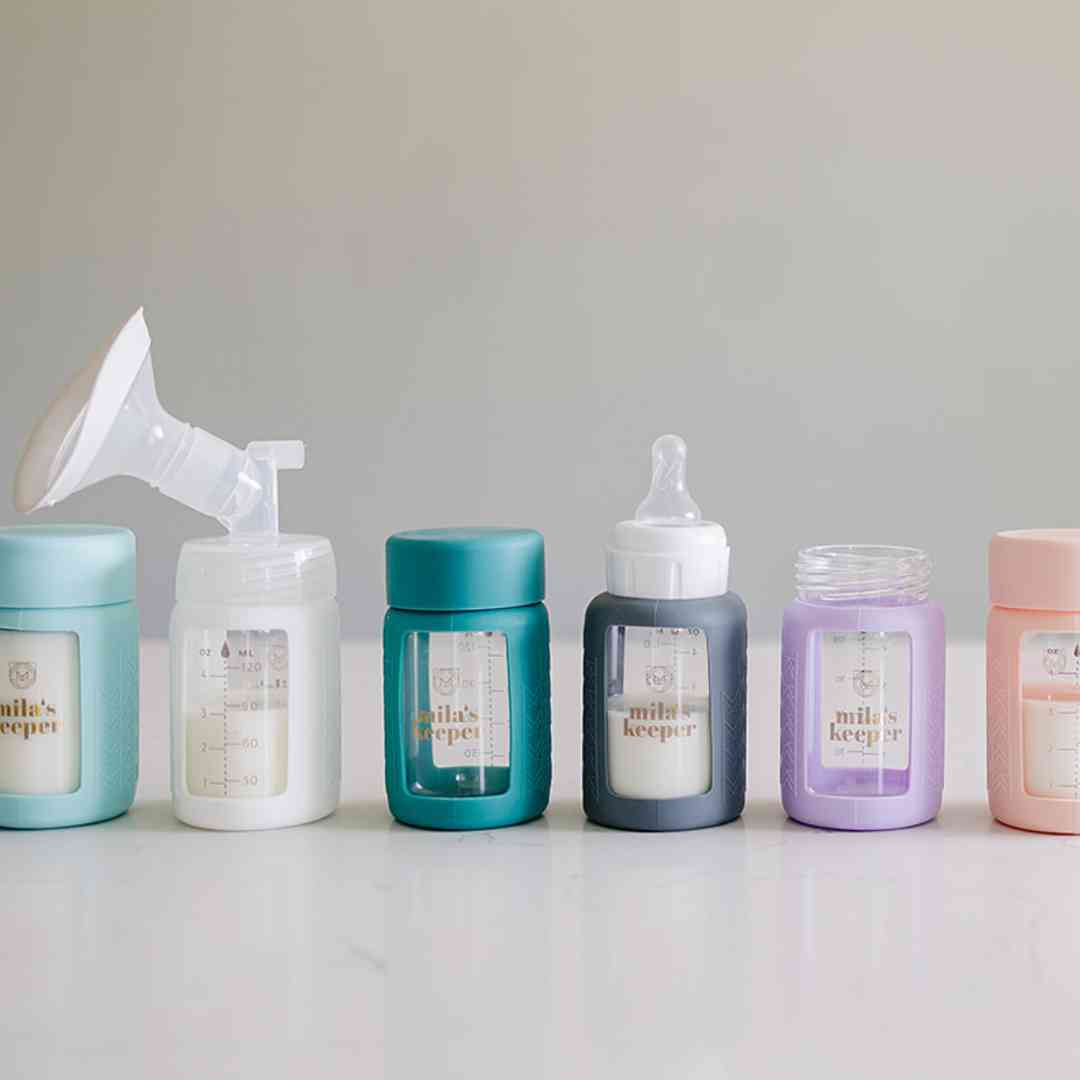
Bottles or bags
-
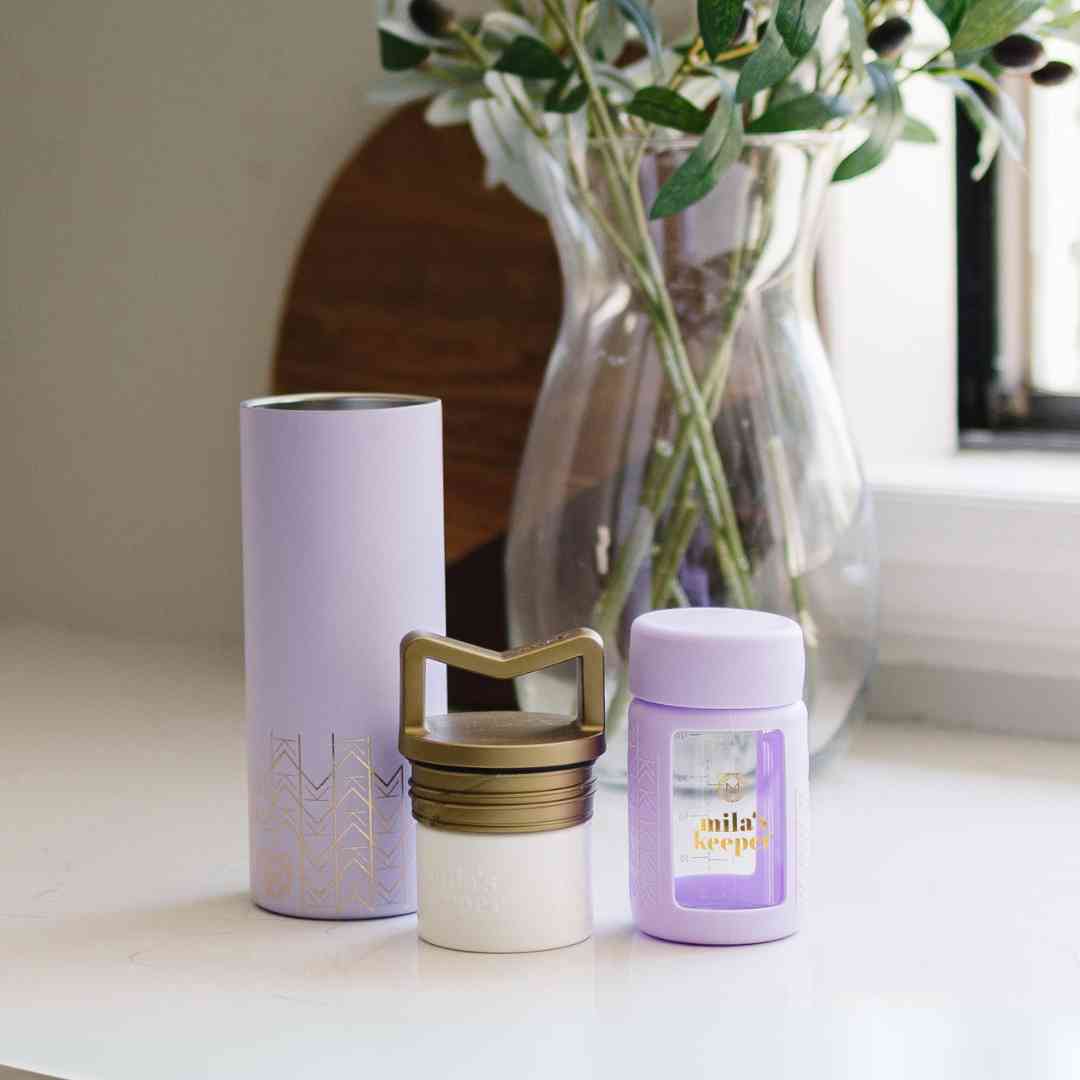
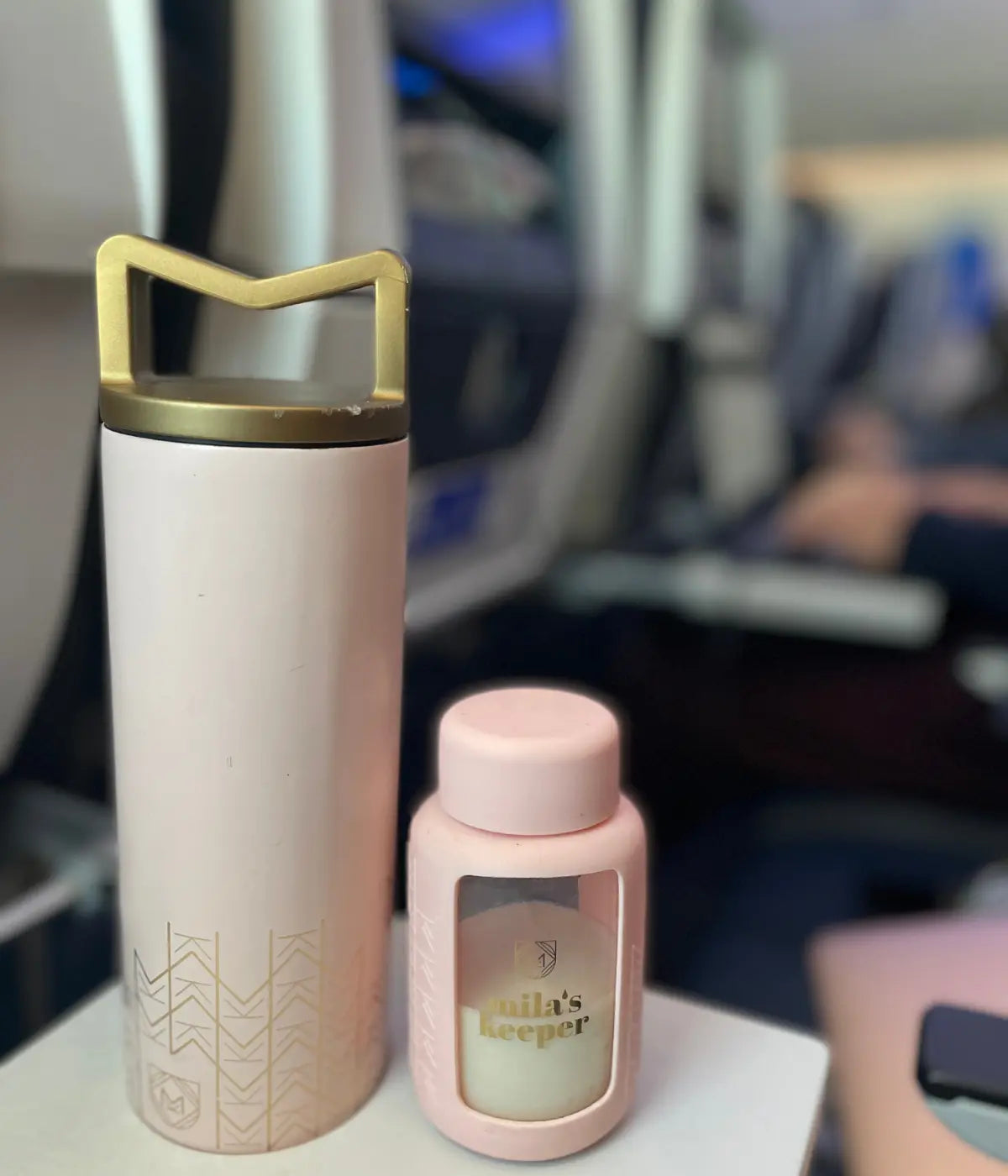
A reliable cooling solution
Cleaning
-
Wipes or spray
-
Extra zip bags
Backup items most moms forget
-
Extra shirt (leaks happen)
-
Extra storage in case your supply is higher than expected
-
A plan if your travel day gets extended
If you forget everything else, remember this:
Your ability to keep milk safely stored matters more than anything else you pack.
🛫 Pumping at the Airport (What It’s Really Like)

Airports will tell you they have lactation rooms. Sometimes they do. Sometimes they’re locked, hidden, or already occupied.
So here’s the truth:
-
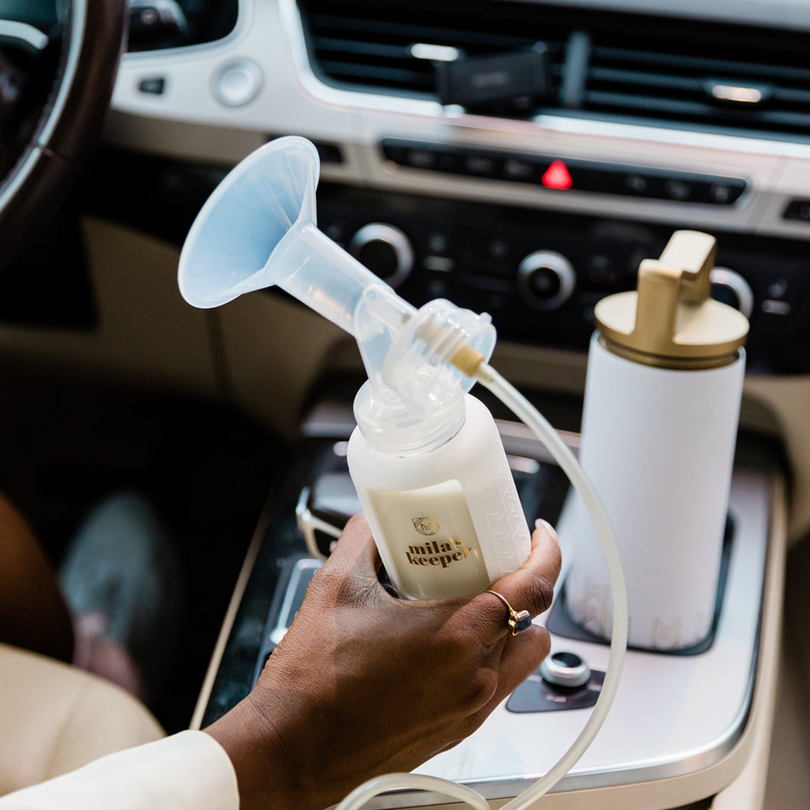
You may end up pumping at the gate
-
You may need to pump during a delay
-
You may need to pump on the plane
And that’s okay.
The key is not perfection, it’s preparation.
Try to:
-
Pump right before boarding
-
Give yourself buffer time during delays
-
Let go of the idea that it has to look “ideal”
Because it won’t.
🧊 How to Keep Breast Milk Cold While Traveling

This is the part no one explains well and it’s one of the biggest reasons moms feel anxious.
The CDC states that freshly expressed milk can be kept at room temperature for up to 4 hours under ideal conditions. But travel days are not ideal conditions.
You’re dealing with:
-
Temperature fluctuations
-
Delays
-
Long hours
And that’s where things start to break down.
Research published in the Journal of Human Lactation has shown that storage conditions can influence the bacterial profile of human milk over time.
So it’s not just about keeping milk “cool”, it’s about keeping it consistently cold.
Think in time blocks:
Under 4 hours
You have more flexibility
4–8 hours
You need reliable cooling
8–16+ hours (travel days)
You need something you can trust without constantly checking
Because the reality is:
You shouldn’t have to spend your entire travel day worrying if your milk is still safe.
🏨 Hotel Storage Hacks That Actually Work

This is where things often go wrong.
Hotel fridges:
-
Sometimes freeze milk
-
Sometimes don’t stay cold enough
And sometimes…there’s no fridge at all.
Here’s what works in real life:
-
Ask the front desk for freezer storage (many will help)
-
Use ice machines strategically
-
Don’t rely on the mini fridge without checking it first
What I wish more moms were told:
Don’t assume the environment will support you, plan like it won’t.
⚠️ What Actually Goes Wrong (And How to Prevent It)

This is the part no one talks about but every mom experiences.
Milk warming during long delays
Happens when cooling isn’t consistent
Ice packs not staying frozen
Especially during long travel days
Leaks from storage bags
More common than you think
No freezer access overnight
Impacts your next day completely
Guidance from the American Academy of Pediatrics emphasizes that safe handling and storage conditions are critical to reducing contamination risk.
Which means:
The system matters just as much as the milk.
🧭 A Simpler Way to Think About It

Most advice makes this feel complicated.
But it comes down to this:
-
Reduce the number of variables
-
Keep milk at a stable temperature
-
Use a system you trust
Because when you’re traveling, the last thing you need is more uncertainty.
💬 Final Thought
Traveling while pumping isn’t hard because you’re doing something wrong.
It’s hard because it was never designed with you in mind.
But with the right setup and the right expectations you can do this with confidence.
📚 References
-
Centers for Disease Control and Prevention (CDC): Breast Milk Storage Guidelines
https://www.cdc.gov/breastfeeding/recommendations/handling_breastmilk.htm -
Journal of Human Lactation: Human Milk Storage and Bacterial Composition
https://journals.sagepub.com/home/jhla -
American Academy of Pediatrics (AAP): Breastfeeding and the Use of Human Milk
https://publications.aap.org/pediatrics/article/129/3/e827/32108/Breastfeeding-and-the-Use-of-Human-Milk
Keep Reading related blog: Breastfeeding Tips:Your Essential Guide to Flying with Breast Milk
--
A female-designed and female-run company, Mila's Keeper is on a mission to empower women to thrive during their breastfeeding journey by offering reusable, eco-friendly breast milk storage solutions for their day-to-day needs. Get the latest tips and info on Mila's Keeper products by following us on Facebook, Twitter, Instagram, Pinterest, and LinkedIn.