



Dear working moms,
I'm so grateful. This week was National Working Motherhood Week, and thank you to Mothered Media for bringing it all together. Five days, virtual, free to every working mom. The workplace, the mental load, maternal mental health, the identity shift. All in one place, with a resource hub that stays up after the week ends.
They invited me to sit down for an expert interview on something I have been talking about for years. The missing piece of pumping at work. Where does your milk go? If you haven't watched it yet, you can find it here. And I wanted to write you a letter to go with it.
Why is breast milk storage the missing piece of pumping at work?
I struggled just like so many of you. I struggled to keep my supply up. I struggled to find a private place to pump at work that wasn't a bathroom. I struggled to find time to pump between meetings. And then once the milk was out, I still had to figure out where to keep it.
I'm also a maternal health professional, and I spent twelve years at UNICEF. During one project I led, I literally watched thousands of moms go back to work and lose their ability to breastfeed. They didn't want to stop. There was just nowhere to store their milk.
I remember thinking, how did we miss this? We have breast pumps that remove the milk and nowhere to properly keep it for a full workday. It's the twenty-first century, and we as moms were getting by with makeshift lunch bags and an ice block that lasted three or four hours.
This lit a fire under me. It's the reason Mila's Keeper exists.
What does the PUMP Act give you at work?
This is the part I really want every one of you to know, because knowing your rights can make your breastfeeding journey longer.
The PUMP Act became law on December 29, 2022, and it expanded pumping protections to more workers, including agricultural workers, nurses, teachers, truck and taxi drivers, home care workers and managers. For up to one year after your baby is born, federal law says you have the right to:
-
Break time each time you need to pump.
-
A private place to pump that is shielded from view, free from intrusion, and not a bathroom. It has to have a place for you to sit and a flat surface for your pump that isn't the floor.
-
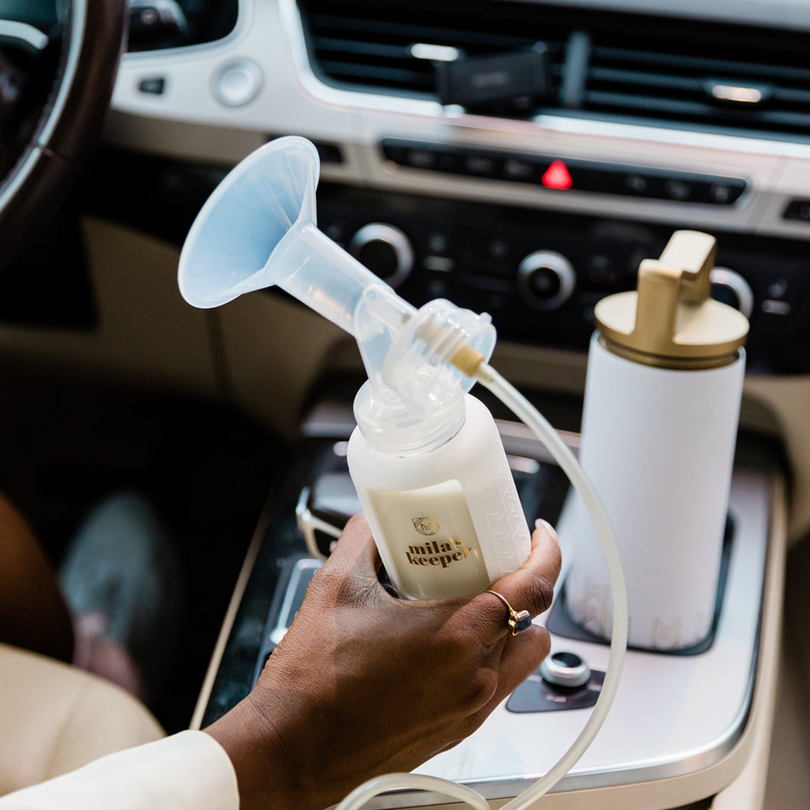
A safe way to store your milk. Your employer doesn't have to give you a refrigerator. They do have to let you bring your pump and an insulated container or personal cooler to work, and make sure you have a place to keep them while you're working. (U.S. Department of Labor, Fact Sheet #73A)
That last one is the one nobody talks about. And it's the one I care about most.
Why does pumping at work matter so much for breastfeeding rates?
In the US, only about one in four babies is exclusively breastfed through six months (CDC breastfeeding data). Around the world, it's nearly half (UNICEF and WHO Global Breastfeeding Scorecard 2024).
For a country like ours, that for me is a crisis. And it is not the moms' fault.
We as moms are given all of the responsibility and a fraction of the support we need. And so often the place it falls apart is work. We figure it out. We don't complain. We quietly end our breastfeeding journeys and nobody notices, so the barrier stays invisible.
What can working moms ask their employer for?
The good news is a lot of what helps is low cost or even free. A temporary private room with a comfortable chair. Pump wipes. A plant. A fresh coat of paint. That's a few hundred dollars, and it really helps with relaxation and letdown. Companies can also put together a small task force of both men and women whose whole job is helping moms ease back into work. That costs almost nothing.
And to the husbands, partners, and coworkers reading this, we need you to speak up too. You've seen what she goes through.
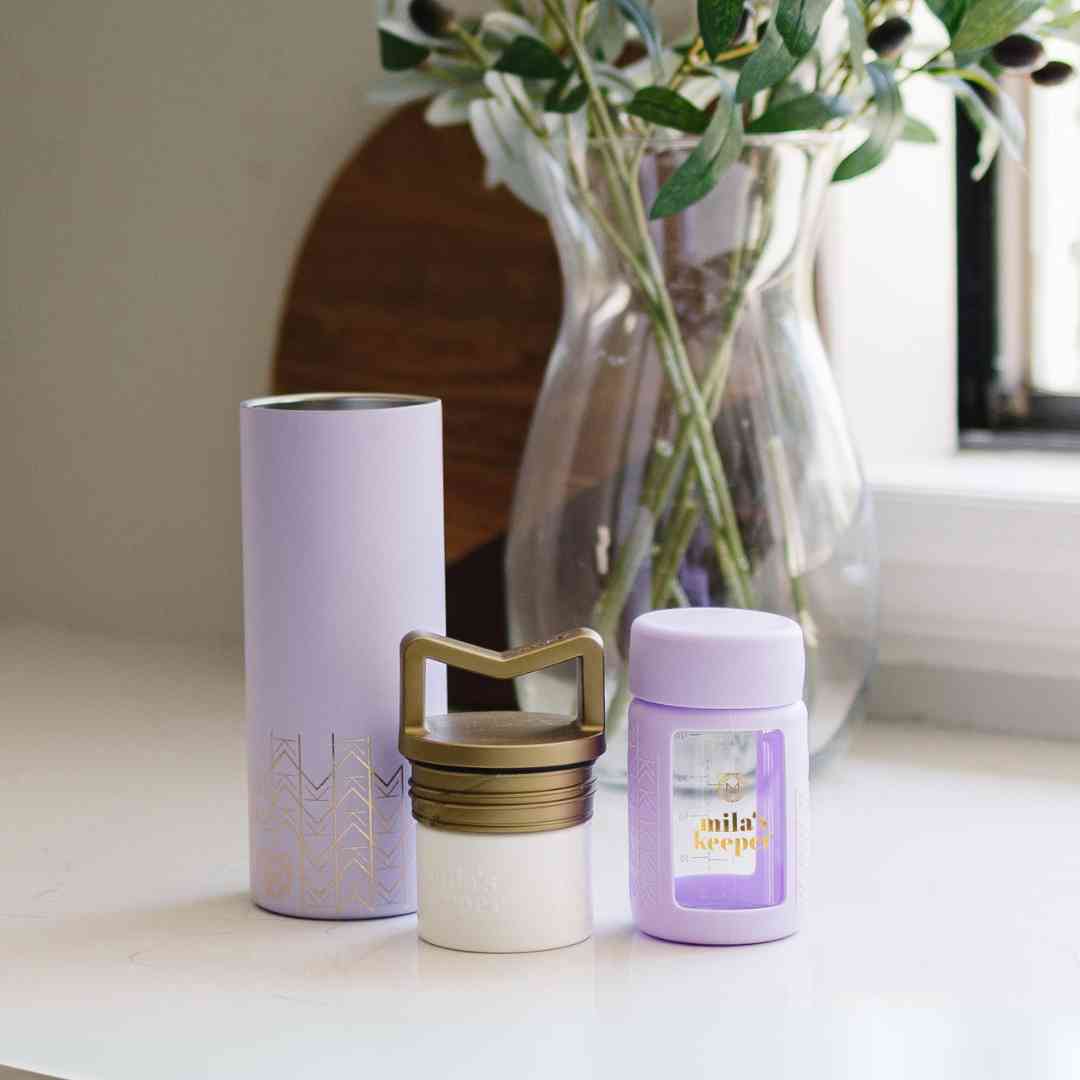
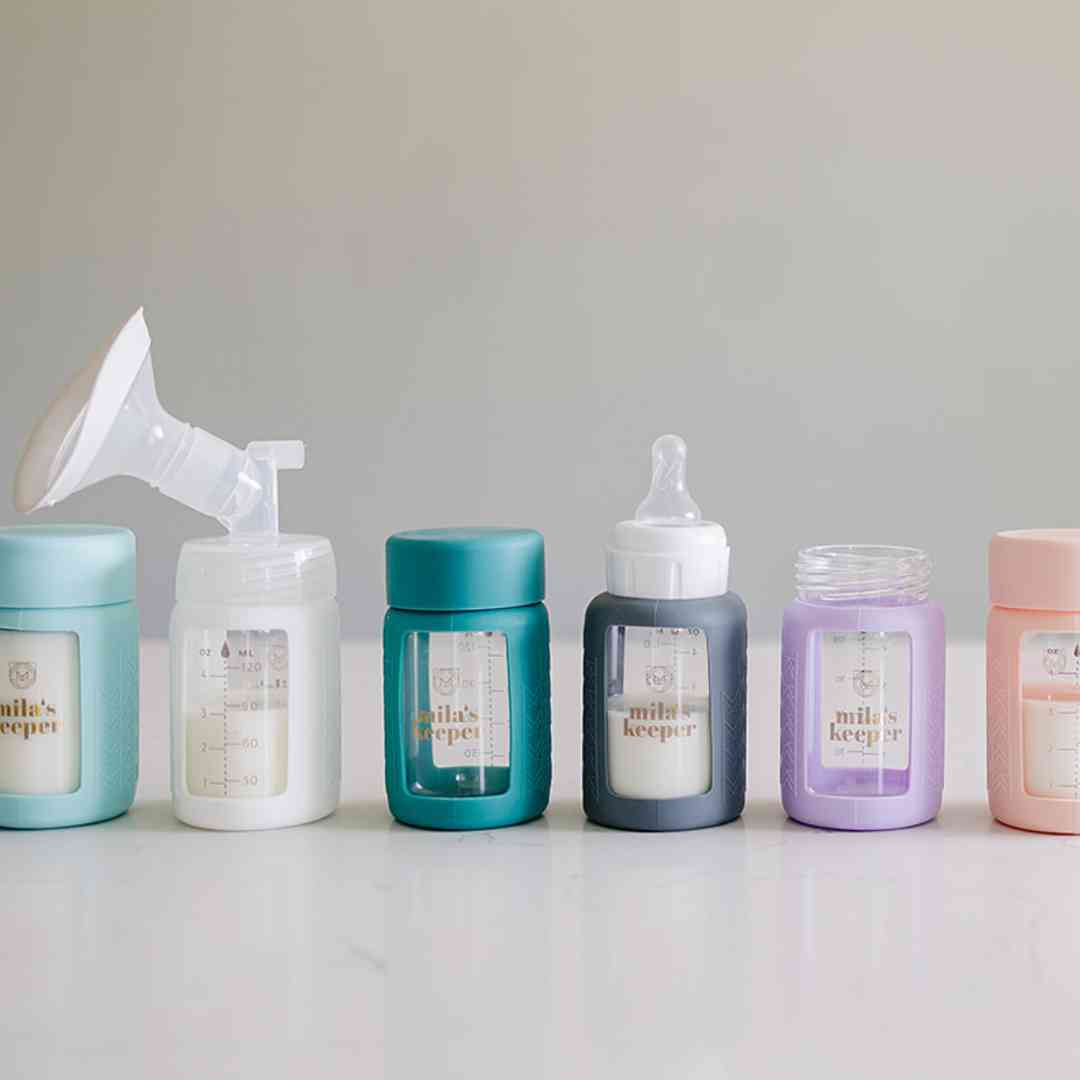
For the storage piece, bring your own. That's exactly why we made the MilKeeper, a breast milk cooler that keeps milk safe for twenty hours, so your milk makes it through the whole shift, the commute home, and a work trip too. If you travel for work, I also wrote a complete guide to traveling while pumping and a TSA guide for flying with breast milk.
So here's my promise to you. I'm going to keep pushing for better storage, better pumping spaces, and federal paid leave, so every working mom can breastfeed for as long as she wants. If you need help getting your workplace on board, reach out to me. Let's do it together.
With so much gratitude,
Lara
Founder of Mila's Keeper, and a working mom too
Frequently asked questions
Does my employer have to give me a refrigerator for breast milk?
No. Under federal law, your employer has to let you bring a pump and an insulated container or personal cooler to work and give you a place to store them while you're working.
Are pump breaks paid?
They can be unpaid unless a federal, state, or local law says otherwise. If you're not fully relieved from work while you pump, or you pump during a break that's already paid, you have to be paid for that time. (Jackson Lewis summary of DOL guidance)
How long do my PUMP Act rights last?
Up to one year after your child's birth, each time you need to pump.
What if I work in a truck, a field, or a classroom?
You're likely covered. The PUMP Act extended protections to teachers, nurses, farmworkers, and truck drivers, among others. The DOL's own example includes a farmworker whose employer set up a pop-up tent with a chair and table for pumping. Certain airline, railroad, and motorcoach employees are exempt from these specific protections.
What can I do if my employer isn't following the law?
You can file a complaint with the U.S. Department of Labor's Wage and Hour Division at 1-866-487-9243. It's illegal for your employer to retaliate against you for asking.