



Breastfeeding is often described as one of the most natural and sustainable ways to feed a baby. And in many ways, it is.
But once pumping enters the picture, especially for working parents, a less visible reality emerges:
breast milk storage can generate a surprising amount of waste.
So the real question becomes:
What is the environmental impact of breast milk storage, and which options are actually sustainable?

The Hidden Waste in Breast Milk Storage
For many pumping parents, single-use plastic storage bags are the default.
But they add up quickly:
-
4–6 bags per day
-
120–180 per month
-
1,500–2,000+ per year
These bags are typically:
-
Made from multi-layer plastic (not recyclable)
-
Used once, then discarded
-
Contaminated with food, making recycling even less likely
Globally, plastic waste is a growing crisis. Plastic can take 100 to 1,000 years to break down, persisting in landfills and ecosystems long after use
And once discarded, plastic doesn’t disappear, it breaks down into microplastics, now found in water, soil, air, and even the human body
👉 What feels like a small daily habit becomes thousands of plastic items over time.

The Carbon Footprint of Single-Use Storage
Single-use plastics carry environmental impact at every stage:
-
Production – Derived from fossil fuels
-
Manufacturing – Energy-intensive processing
-
Transportation – Global supply chains
-
Disposal – Long-term environmental persistence
Plastic products are not only waste-heavy, they are carbon-intensive systems from start to finish.
And because they are used once, their environmental cost is repeated with every use.

Not All “Reusable” Is Equal
As awareness grows, many parents move away from disposable bags and toward reusable plastic bottles.
This is a step forward, but not the full solution.
Reusable plastic still has limitations:
-
Degrades over time with repeated washing
-
Becomes cloudy or yellowed, making cleanliness harder to assess
-
Can absorb odors or residue
-
Often needs to be replaced every few months
This creates what we can call a “hidden replacement cycle.”
👉 While labeled reusable, these systems still generate ongoing material consumption and waste.

Glass & Silicone: Designed for Long-Term Use
Materials like glass and medical-grade silicone operate on a fundamentally different model:
durability over disposability.
Unlike plastic, these materials:
-
Do not degrade or discolor over time
-
Are non-porous, reducing contamination risk
-
Maintain integrity through repeated washing and sterilization
-
Can be reused across multiple children and life stages
This means one set of containers can:
-
Support a full breastfeeding journey
-
Be reused for future babies
-
Transition into food storage, snacks, or everyday use
👉 This is not just reuse, it’s long-term lifecycle design.
What the Data Shows About Reusable vs Single-Use
Across industries, including healthcare, research consistently shows that switching from single-use to reusable systems significantly reduces environmental impact.
A large review of medical products found that reusable systems reduced:
-
Waste by up to 99%
-
Greenhouse gas emissions by up to ~50% or more
While breast milk storage hasn’t been studied in isolation, it follows the same principle:
👉 Repetition is what drives impact.
The more a product is reused, the lower its environmental cost per use.
Visual Comparison: Breast Milk Storage Sustainability
Here’s a clear comparison of the three systems:

Side-by-Side Breakdown


Why This Matters for Working Parents
For working parents, pumping is not occasional, it’s daily infrastructure.
That means:
-
Storage decisions are repeated multiple times per day
-
Waste scales quickly
-
Costs (financial + environmental) compound over time
Reusable systems, especially long-lasting ones, help:
-
Reduce daily decision fatigue
-
Eliminate constant repurchasing
-
Lower long-term environmental impact
Beyond Sustainability: One Purchase, Long-Term Value
Sustainability isn’t just about materials, it’s about systems.
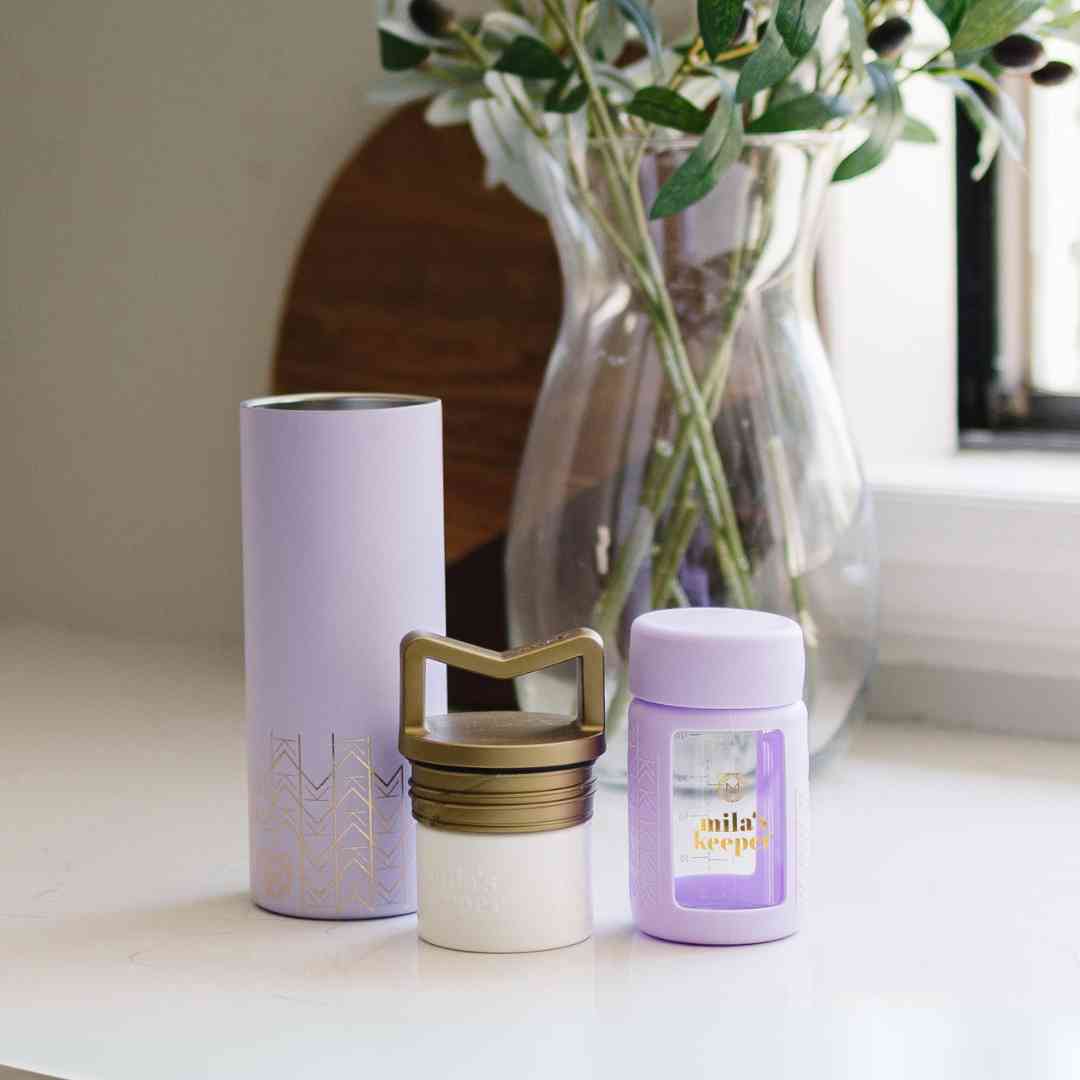
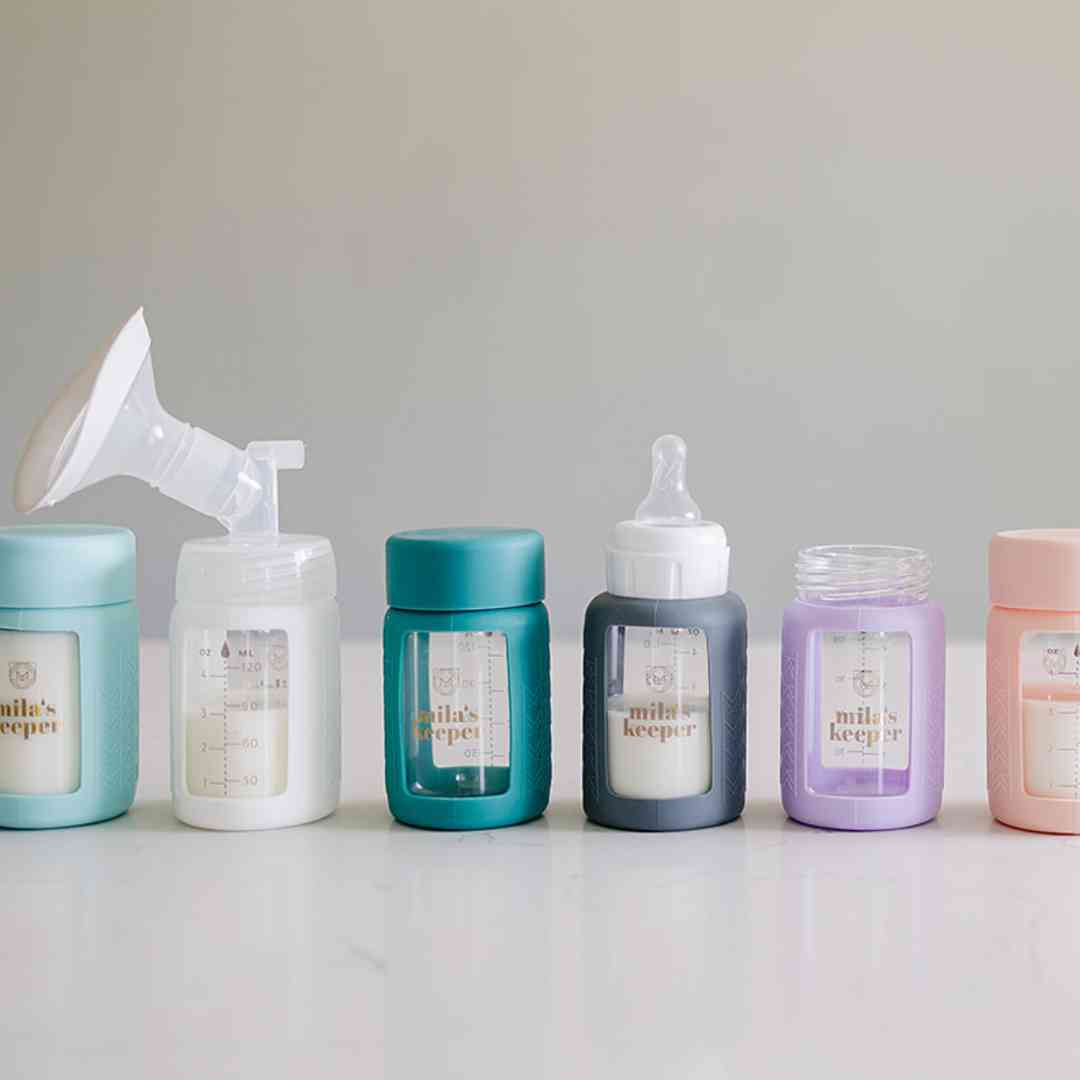
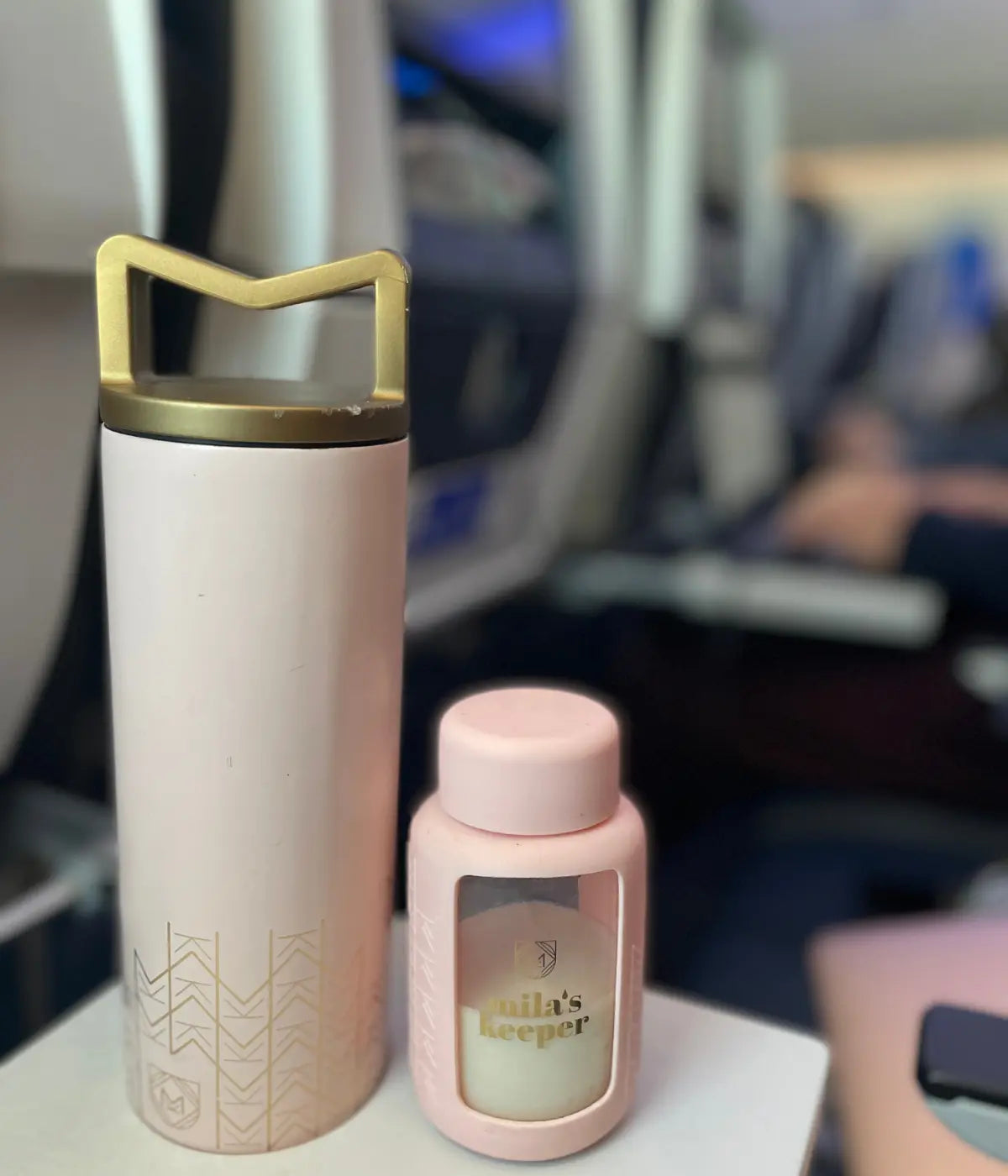
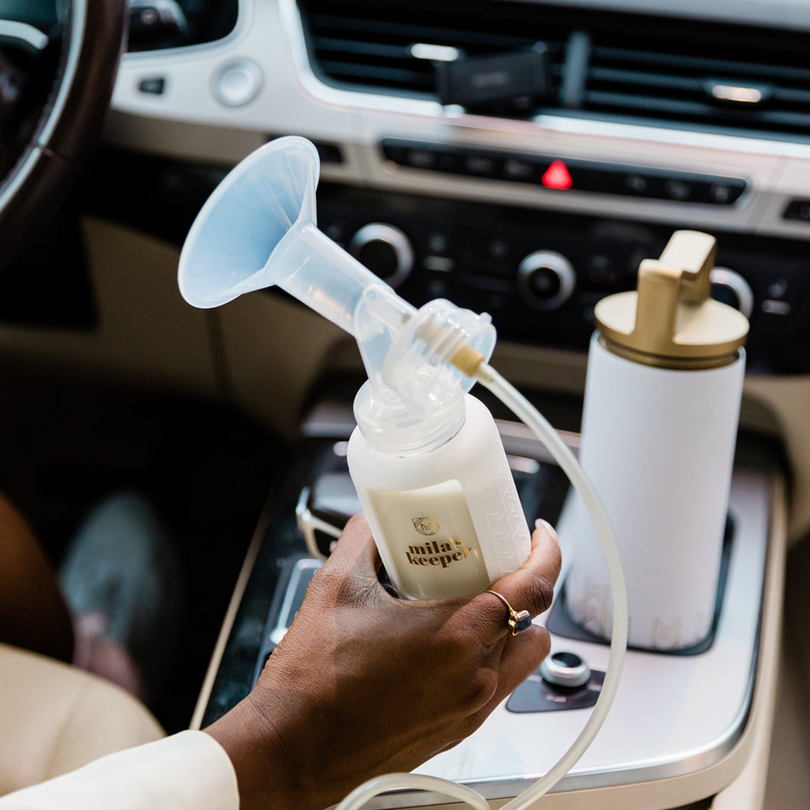
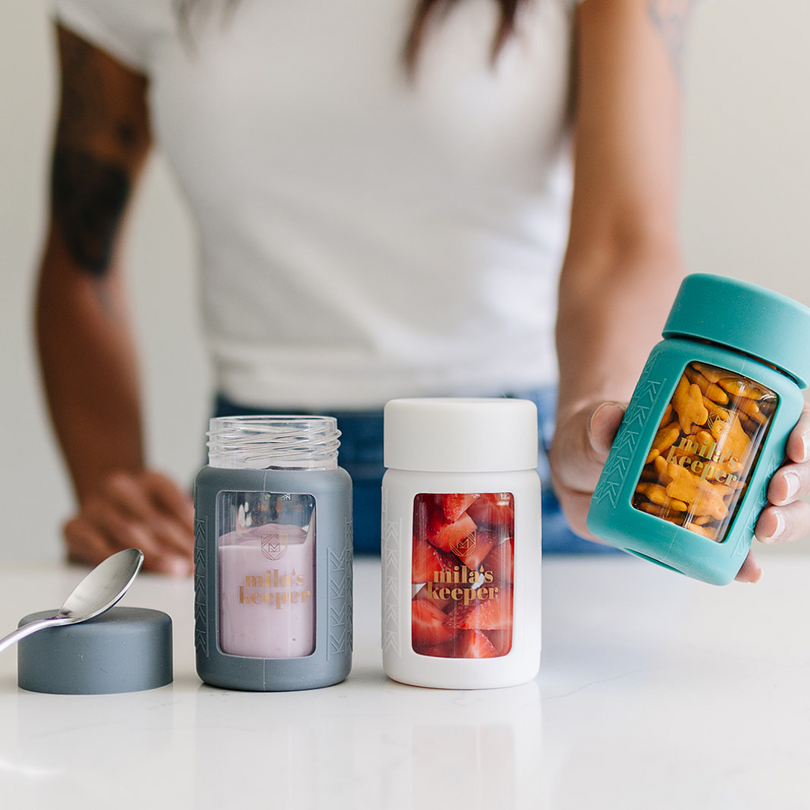
Products designed for longevity, like glass and silicone systems such as those from Mila’s Keeper are built to:
-
Be a one-time purchase
-
Replace hundreds or thousands of disposable items
-
Grow with families beyond breastfeeding
👉 This creates a rare alignment:+
Lower waste + lower long-term cost + higher durability
The Bigger Picture: Rethinking “Convenience”
Single-use systems were designed for convenience.
But today, convenience can also mean:
-
Not constantly restocking supplies
-
Not generating daily waste
-
Not replacing degraded materials
Reusable systems redefine convenience as simplicity over time, not disposability.
Final Thoughts
Breastfeeding may be natural, but modern pumping systems are not always sustainable.
The good news is that small, intentional shifts, like choosing long-lasting storage materials, can significantly reduce both waste and environmental impact.
You don’t have to be perfect.
But you can be intentional.
FAQ: Sustainable Breast Milk Storage
Are reusable breast milk containers better for the environment?
Yes, when used repeatedly, reusable systems significantly reduce waste and carbon impact compared to single-use plastics
How much waste do breast milk storage bags create?
Many pumping parents use 1,500–2,000+ bags per year, most of which are not recyclable.
Do reusable plastic bottles solve the problem?
They reduce waste compared to disposables, but still require frequent replacement due to degradation, creating ongoing environmental impact.
What is the most sustainable option?
Durable systems made from glass and silicone offer the lowest long-term impact because they can be reused for years and across multiple children.