



As winter routines fade and spring begins, many breastfeeding parents experience a subtle but important shift.
Schedules change. Temperatures rise. Commutes, travel, and childcare routines evolve. And with all of that, so does the way breast milk is stored, handled, and used.
For parents who pump, spring isn’t just a seasonal reset.
It’s a systems reset.
And that raises an important question:
Are your milk storage habits still safe, and optimized, for this new season?

Why Spring Changes Breast Milk Storage Safety
Breast milk storage isn’t static. It depends heavily on temperature, timing, and routine consistency, all of which shift in the spring.
Longer days, warmer weather, and more movement between locations (home, daycare, travel) can introduce:
-
Increased exposure to room temperature conditions
-
More frequent transport of milk
-
Greater risk of temperature fluctuations
-
Changes in pumping frequency and timing
These factors don’t automatically make milk unsafe, but they do require more intentional handling.

Understanding Safe Storage Windows (and Why They Matter More in Spring)
-
At room temperature (≤77°F / 25°C) for up to 4 hours
-
In the refrigerator for up to 4 days
-
In the freezer for 6 months (best) or up to 12 months (acceptable)
These guidelines assume stable conditions, which is where spring introduces complexity.
For example:
-
A warmer room may shorten safe room-temperature windows
-
Frequent fridge opening (daycare, shared spaces) can affect consistency
-
Transport time between locations becomes more common
👉 What worked in winter may need adjustment in spring.

Milk Transport: The Overlooked Risk Point
As routines become more mobile in spring, milk is often:
-
Carried between home and childcare
-
Stored at work and transported back home
-
Taken on day trips or travel
But here’s the nuance:
👉 That safety depends on consistent cold temperature, not just the presence of a cooler.
In real life, this means:
-
Minimizing how often the cooler is opened
-
Using reliable, insulated storage systems
-
Avoiding partial thawing and re-cooling cycles
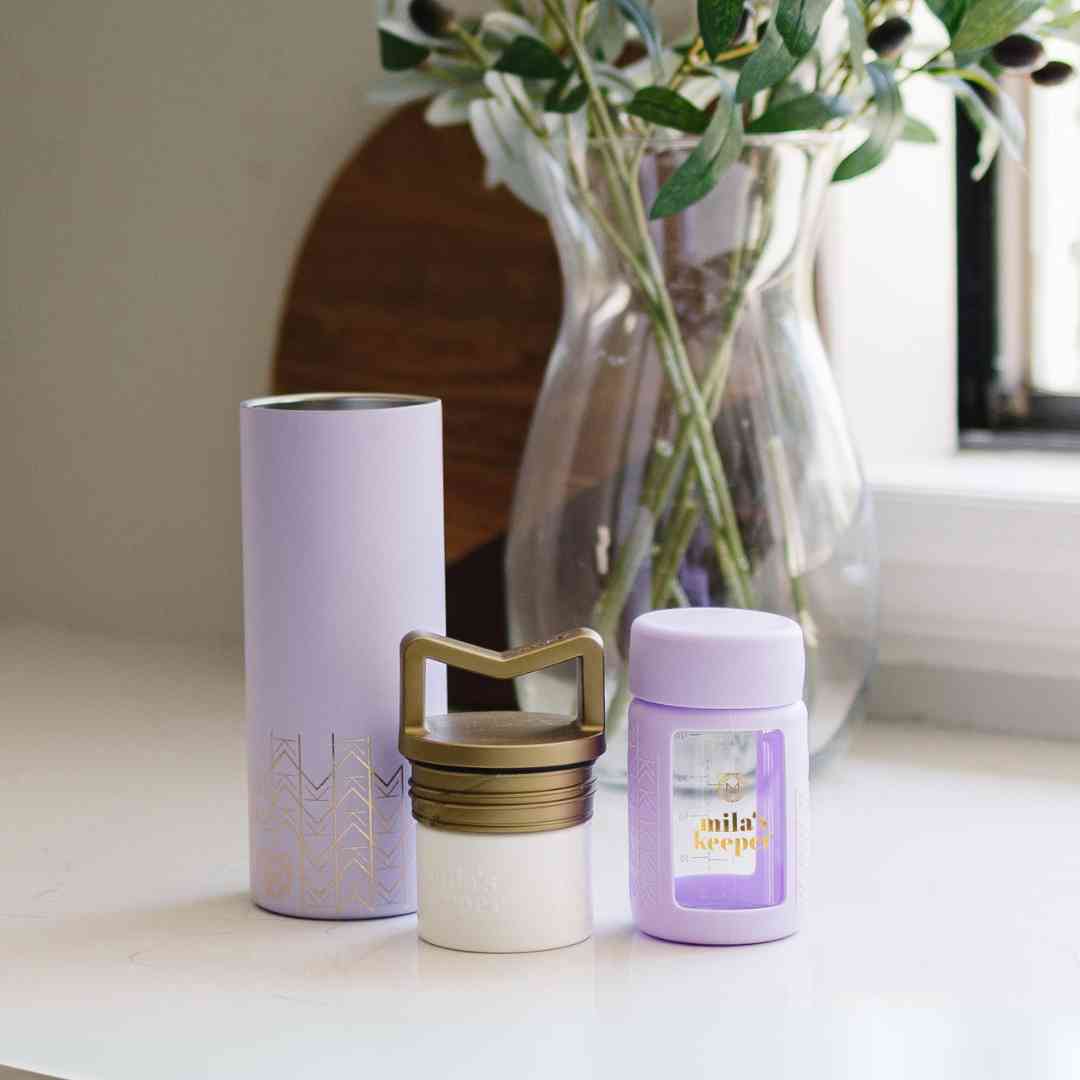
For example, purpose-built systems like Mila’s Keeper are designed specifically for stable, extended cooling during real-world use:

Spring Cleaning… for Your Milk Stash
Spring is also a natural time to reassess your freezer stash.
While frozen milk can be stored up to 12 months, quality is best within 6 months.
As you transition seasons, it’s a good time to:
-
Rotate older milk forward (first in, first out)
-
Check labeling and organization
-
Discard milk that has been improperly stored or repeatedly thawed
-
Reassess how much milk you actually need stored
👉 Many parents over-store milk out of fear, not necessity.
Temperature Fluctuations: The Invisible Risk
One of the least discussed factors in milk safety is temperature instability.
Even when milk is technically “within guidelines,” fluctuations can affect:
-
Bacterial growth
-
Nutritional quality
-
Immune properties of the milk
This matters more in spring because:
-
Ambient temperatures rise
-
Milk is transported more often
-
Storage environments become less controlled
👉 Consistency matters just as much as duration.

Rethinking Your Storage System for Spring
Spring is the moment many parents realize:
Their storage system was built for convenience, not consistency.
Common friction points include:
-
Leaky or unreliable storage bags
-
Inconsistent cooling during transport
-
Difficulty organizing and rotating stored milk
-
Constant need to restock disposable supplies
This is where system design becomes important.
Reusable, durable storage solutions, particularly those made from glass and silicone, can help:
-
Maintain more stable temperatures
-
Reduce risk of leaks or contamination
-
Simplify storage and organization
-
Eliminate the need for constant replacement
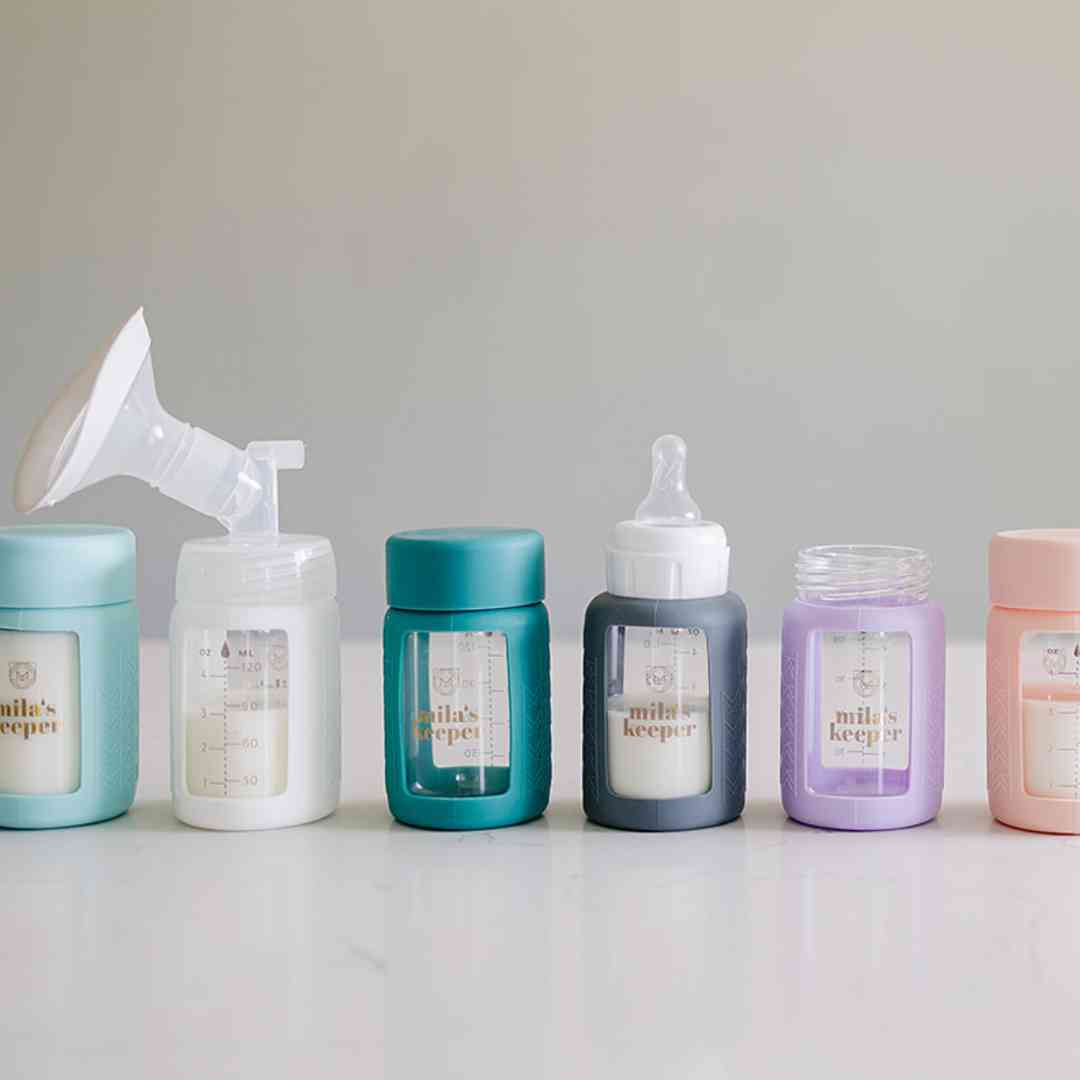
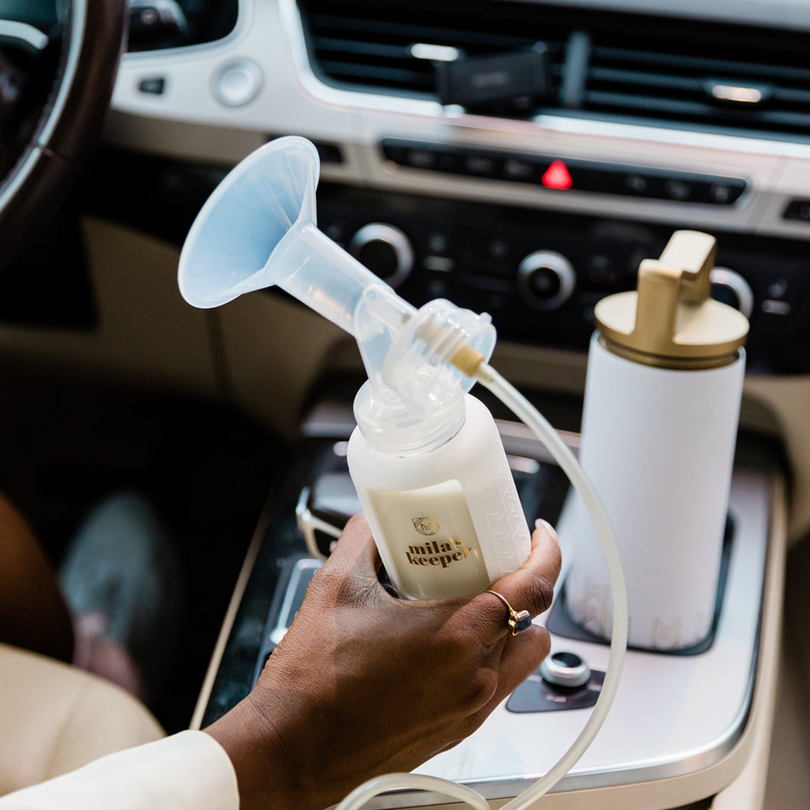
Mila’s Keeper systems are designed to support pumping, storage, and transport in real-life conditions, not just ideal ones.
A Practical Spring Reset Plan
Instead of overhauling everything, small adjustments go a long way.
1. Reassess Your Routine
-
Are you transporting milk more often?
-
Are your pumping times shifting?
2. Upgrade Temperature Control
-
Use reliable insulated storage
-
Minimize exposure to room temperature
3. Rotate Your Milk Stash
-
Use older milk first
-
Avoid unnecessary over-freezing
4. Simplify Your System
-
Reduce dependency on single-use supplies
-
Choose storage solutions designed for repeated use
The Bigger Picture: Safety Without Stress
Breast milk storage guidelines can feel rigid, but they’re meant to protect, not overwhelm.
Spring doesn’t make milk unsafe.
It simply introduces more variables.
And with a few intentional adjustments, parents can maintain both:
-
Safety
-
Flexibility
FAQ: Spring Breast Milk Storage & Safety
Does warmer weather affect breast milk storage?
Yes, higher temperatures can shorten safe storage windows, especially at room temperature.
How long can breast milk stay in a cooler during travel?
Up to 24 hours if stored with ice packs in an insulated cooler and kept consistently cold.
Is frozen breast milk still good after winter storage?
Yes, milk can be stored up to 12 months, but quality is best within 6 months.
What’s the biggest mistake parents make in spring?
Underestimating temperature fluctuations, milk may technically be within time limits but exposed to inconsistent temperatures.
Do I need to change my storage system in spring?
Not necessarily, but if your routine becomes more mobile, upgrading to a more reliable, temperature-stable system can help reduce risk and stress.