



When you’re choosing bottles and pump parts for your baby, it’s natural to take a second look at what everything is made of. Silicone has become a favorite for many parents because it holds up over time and doesn’t crack, warp, or absorb odors the way some plastics can. But once you start reading labels—food-grade, medical-grade, FDA-certified, LFGB-certified—it can feel like a lot to sort through.
If you’ve ever wondered what the differences actually mean (and whether they matter for your baby), you’re not alone. Here’s a clear, parent-friendly look at the basics, plus how silicone compares to plastic when it comes to feeding and storing breast milk.
1. What is food-grade silicone, and is it safe for my baby?
Food-grade silicone is the type used in most kitchen tools and many baby feeding products. It’s non-toxic, BPA-free, and approved for food contact. You’ll find it in bottle nipples, pacifiers, baking molds, and even spatulas.
For everyday use, food-grade silicone is considered safe. The main difference from higher grades is that it’s not tested for long-term contact with the human body. It’s designed to hold food—not necessarily to interact with sensitive tissues or milk for extended periods.
2. What is medical-grade silicone, and why is it better for baby products?
Medical-grade silicone is held to a higher standard of purity and testing. It’s the same type of silicone used in medical tubing, implants, and other devices meant to come into close or prolonged contact with the body.
A few things set it apart:
-
It’s platinum-cured, which reduces leftover manufacturing by-products.
-
It goes through biocompatibility testing, meaning it has to show it won’t irritate skin or leach harmful substances.
-
It’s regulated for consistency and purity more strictly than food-grade silicone.
Because of this, many baby feeding items—especially those that touch breast milk—use medical-grade silicone for the extra reassurance it provides.

3. What are LFGB and FDA certifications, and why do they matter?
These labels refer to the safety standards the silicone meets.
FDA-certified silicone
Must comply with U.S. guidelines for food-contact materials. It has to be free from BPA, phthalates, lead, and other substances that aren’t allowed in items touching food.
LFGB-certified silicone
Follows Germany’s Food and Commodities Act standards, known for their strict testing around chemical migration.
Both are safe. LFGB is often considered the more rigorous standard, while FDA certification ensures compliance within the U.S.
4. How do I know if silicone is food-grade or medical-grade?
Most brands list this information on their packaging or product descriptions. If a product uses medical-grade silicone, it’s usually highlighted clearly.
For items that touch breast milk or go into a baby’s mouth, many parents look for:
-
“medical-grade silicone”
-
“platinum-cured”
-
“FDA-certified” or “LFGB-certified”
Those features together usually indicate higher testing and purity.

5. Can food-grade silicone leach chemicals into breast milk?
Food-grade silicone is considered safe, but if it’s peroxide-cured, small amounts of manufacturing by-products may remain in the material. These traces are within safety limits, but heat or long-term storage might increase the chance of migration.
Medical-grade silicone generally avoids this because it’s platinum-cured and tested for biocompatibility.
Silicone vs. Plastic: What’s the Difference?
A lot of parents compare silicone to plastic when choosing feeding products, and it makes sense—both materials show up in the baby aisle, but they behave very differently.
Silicone isn’t plastic
Silicone is made from silica (sand or quartz), oxygen, hydrogen, and carbon. Plastic is petroleum-based and usually contains additives to make it flexible, clear, or lightweight.
This is why labeling silicone as “BPA-free” can feel a little odd—it never had BPA in the first place.
BPA-free plastic isn’t necessarily risk-free
Plastics that don’t contain BPA often use alternatives like BPS or BPF. Research suggests these can behave similarly in the body.
So while BPA-free sounds reassuring, it doesn’t always tell the full story.
Silicone handles heat far better
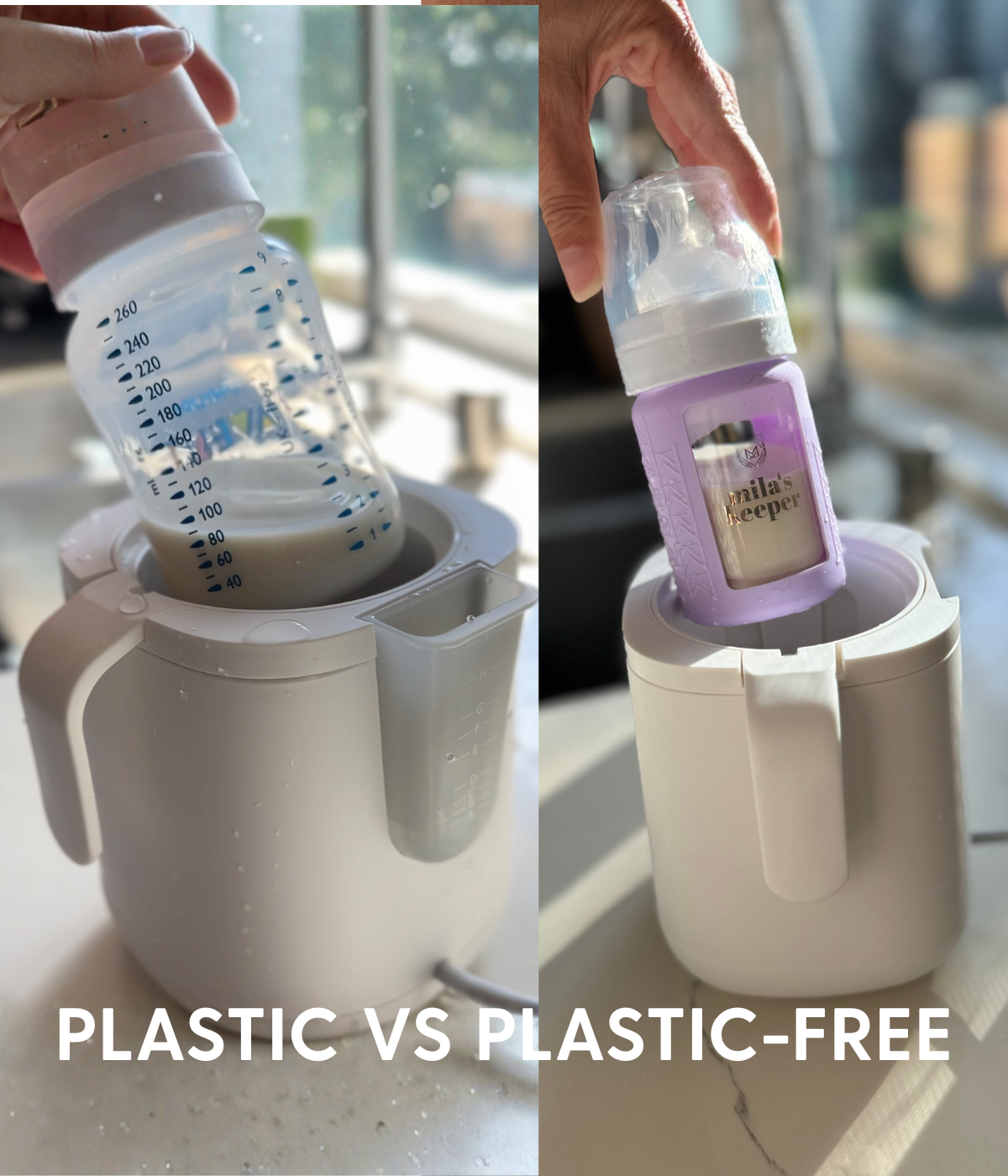
Plastic can release microplastics or by-products when heated, shaken, scratched, or washed repeatedly. Silicone remains stable at high and low temperatures, which is why it’s a popular choice for items that need to be warmed or sanitized often.
Silicone doesn’t shed microplastics
A 2024 study found microplastics in human breast milk, often linked to common plastic feeding and storage items. Silicone isn’t a petroleum-based polymer and doesn’t break down into microplastics during normal use.
Silicone usually lasts longer
It doesn’t warp, crack, or take on odors the way many plastics do. That durability often makes silicone a longer-lasting option, especially for items used daily.
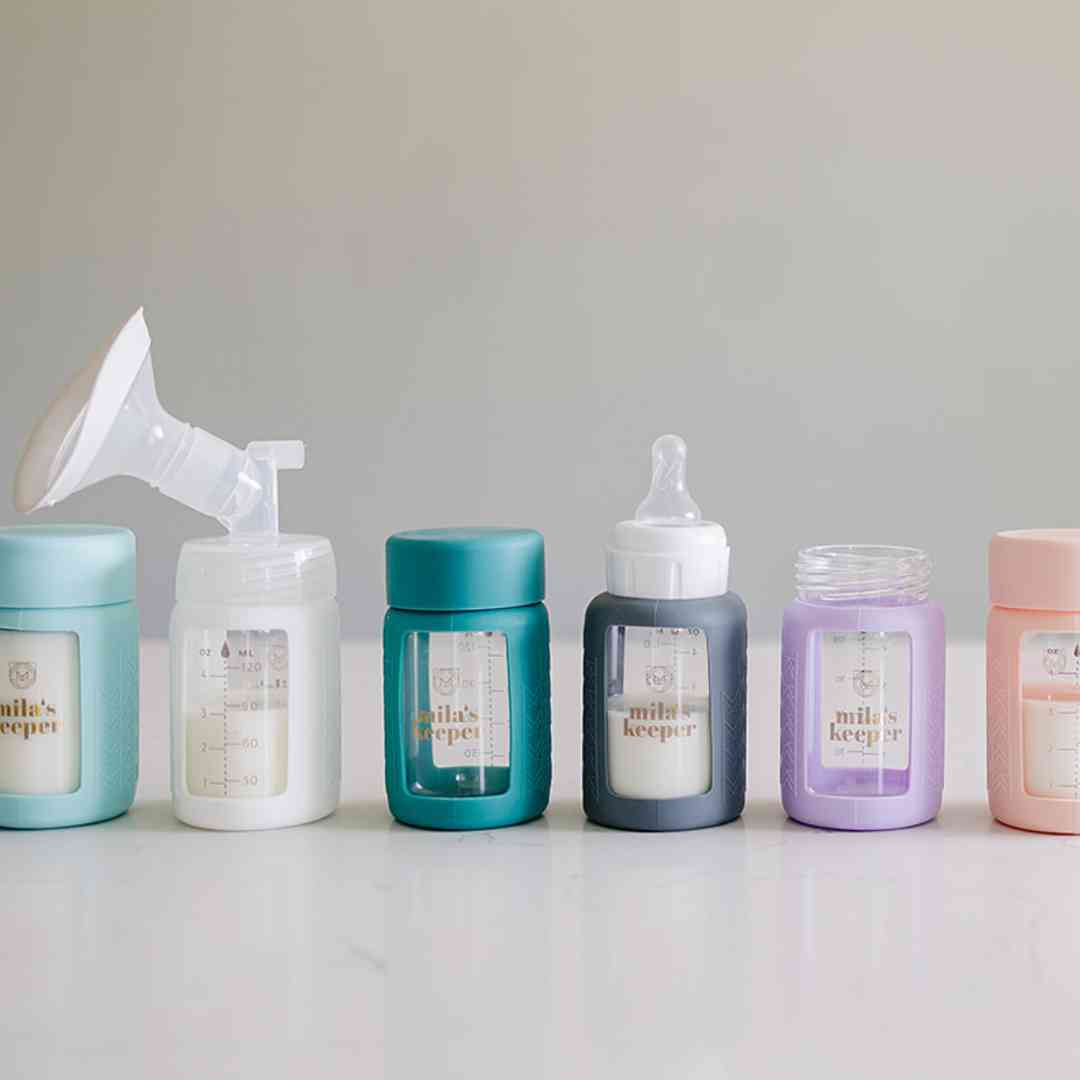
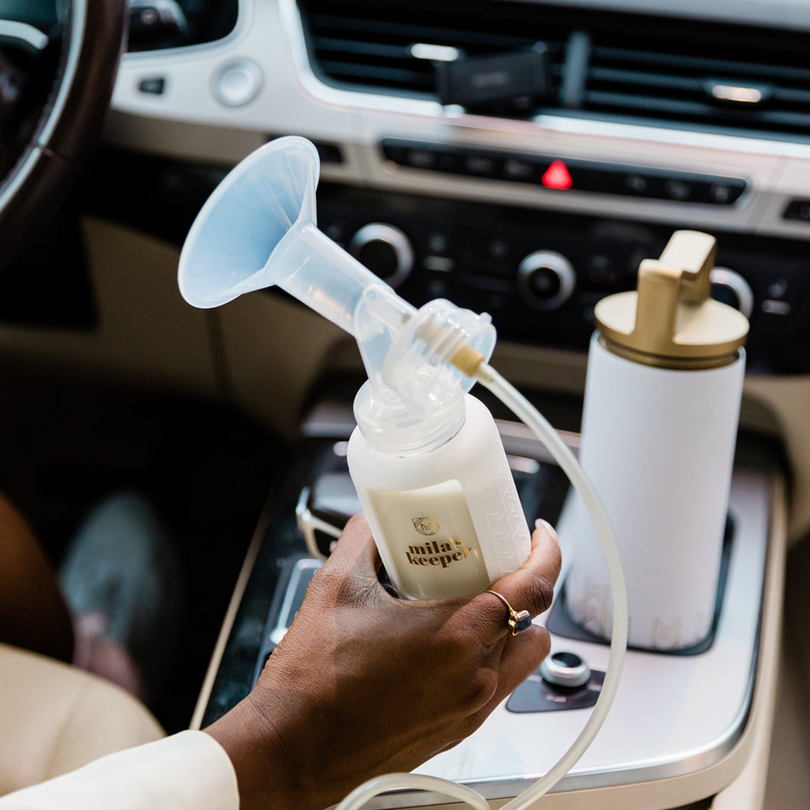
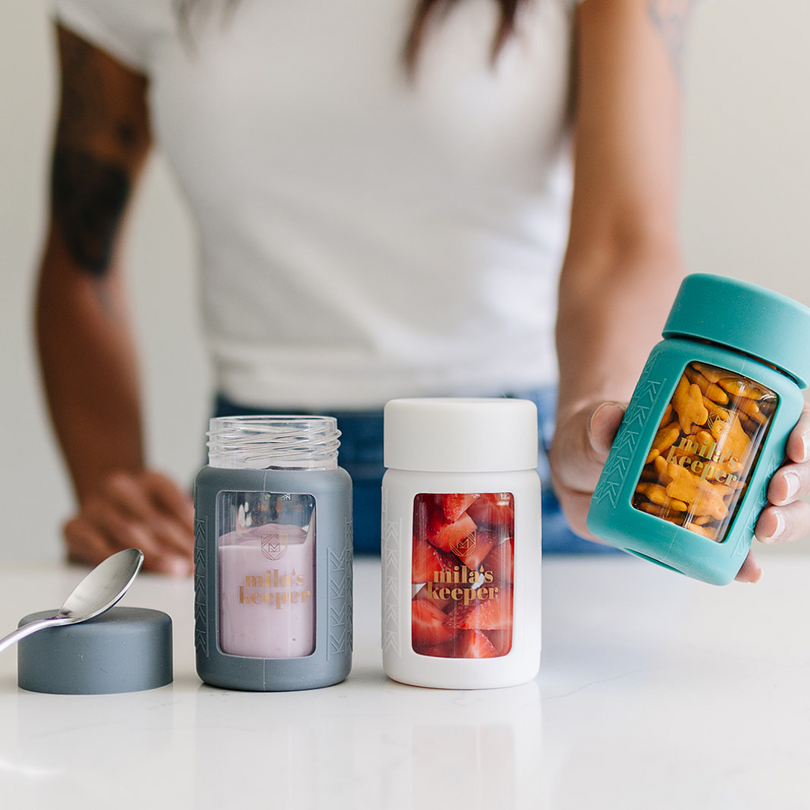
Photo: Mila's Keeper Silicone Storage Bottles
Why should I choose medical-grade silicone products?
Medical-grade silicone offers extra reassurance because of how it’s made and tested. Parents often prefer it for items that touch breast milk or go directly into a baby’s mouth because:
-
It’s platinum-cured (not peroxide-cured)
-
It goes through biocompatibility testing
-
It has higher purity standards
-
It’s designed for long-term contact with the body
These factors can give families more peace of mind—especially when the same pieces are used day after day.
Are medical-grade silicone bottles more expensive?
Generally, yes. The higher cost reflects the tighter manufacturing standards, platinum curing, and additional testing. But because silicone tends to hold up well over time, many parents find they replace these items far less often than plastic ones.
8. Can I safely heat breast milk in silicone bottles?
Yes. Silicone—both food-grade and medical-grade—is naturally heat-resistant and doesn’t break down the way plastic can under heat. Medical-grade silicone is especially stable during repeated warming and cooling, which is why it’s often chosen for items that come into regular contact with warm milk or water.
In conclusion….
Both food-grade and medical-grade silicone are safe materials for baby feeding products, but medical-grade silicone adds an extra layer of reassurance thanks to its purity, platinum curing, and biocompatibility testing. Understanding the differences—along with how silicone compares to plastic—can make it easier to choose products that feel right for your family.
Keep Reading related blog: Reusable Baby Food Pouches & Feeding Products
A female-designed and female-run company, Mila's Keeper is on a mission to empower women to thrive during their breastfeeding journey by offering reusable, eco-friendly breast milk storage solutions for their day-to-day needs. Get the latest tips and info on Mila's Keeper products by following us on Facebook, Twitter, Instagram, Pinterest, and LinkedIn.